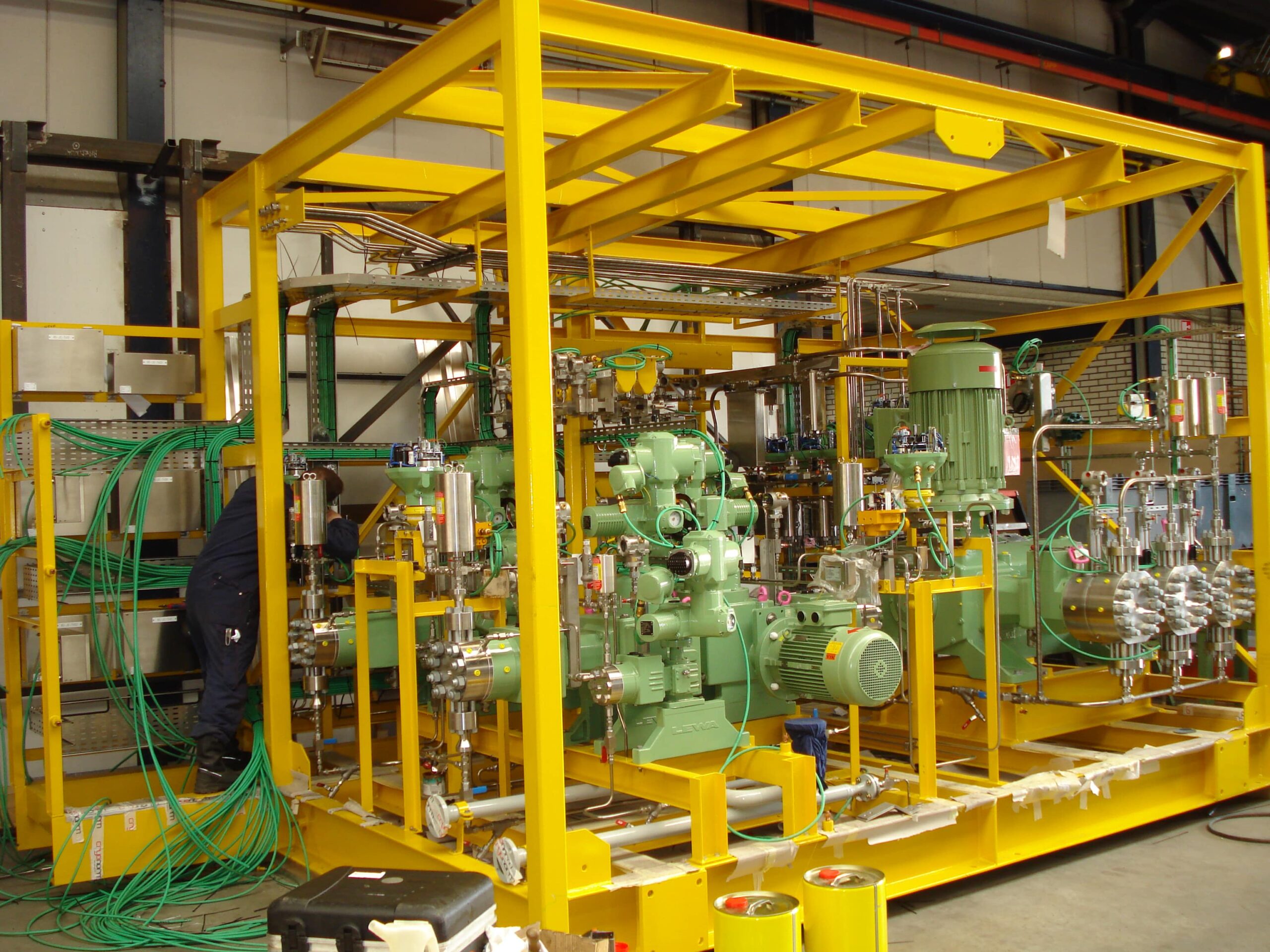



What is Basic Engineering?
Basic engineering is a crucial stage in the engineering process, where the conceptual design is converted into concrete technical drawings and specifications. Here the initial ideas are further developed into complete technical documents. These contain all the information to define engineering requirements for subsequent project phases. The goal is to lay a solid foundation for the entire project.
Importance of Basic Engineering
The importance of basic engineering cannot be underestimated, as it is the backbone of any successful engineering project. This phase is essential for defining the technical and operational requirements of a project. By providing accurate and detailed plans, basic engineering helps identify and minimize risks before the project enters the production phase. This not only increases efficiency and reduces costs, but also ensures that all parties involved – from engineers and project managers to the end customers – have clarity on what the project entails and what is expected of it. In addition, thorough basic engineering ensures that the project meets all relevant standards, legislation and safety requirements, which is critical to the sustainability and safety of the final product.
Quickly go to
Our process: from idea to execution
Thorough needs analysis for each project: Before we begin, we dive deep into your project requirements and goals. This initial phase is crucial to establish a solid foundation for the further design process. We gather all the necessary information to ensure that each subsequent step in the process seamlessly matches your specific needs and expectations.
Creative Concepts that Stimulate Innovation The transformation of your ideas starts here. During the concept development phase, our experienced engineers and designers transform rough ideas into initial visual sketches and concept models. This phase focuses on innovation and creative problem solving, allowing us to provide unique solutions that perfectly match your project requirements.
Precision in Detail Engineering for Impeccable Execution After approval of the concept, we proceed to the detail engineering phase. Here all concepts are converted into detailed technical drawings and implementation plans. These documents are ready for implementation and contain all the technical specifications needed for construction or production, assured of accuracy and quality.
Continuous Optimization for Perfect Results Our work doesn't stop at the last drawing. We continuously evaluate all design aspects and make necessary adjustments. This phase ensures that the design continues to evolve in line with new insights, technological advances and feedback from implementation. This ensures an adaptive design that not only meets current standards but is also future-proof
Tools and Technologies for Basic Engineering
Advanced Tools for Optimal Design and Execution
At Novateq Engineering, we are committed to maintaining the highest standards of precision and efficiency in all of our engineering projects. We achieve this by using a range of advanced software tools and technologies specially selected for their reliability and innovative features.
These tools are the backbone of our basic engineering services and enable us to consistently deliver high quality and innovative solutions to our customers. By investing in the best available technologies, we ensure that our engineering solutions remain at the forefront of the industry.
The following is an overview of the main tools we use in our basic engineering processes:

Autocad
- Application: AutoCAD is a foundation in our toolset, used for creating both simple and complex mechanical and civil engineering drawings. It supports our team in efficiently producing detailed 2D and 3D models.
- Benefits: The software provides powerful drawing tools and extensive functionality that increase the accuracy of our designs while minimizing design time.

Inventor
- Application: To create 3D CAD designs, we rely on Inventor, which allows us to model complex assemblies and parts. This tool is indispensable for visualizing how different components work together in a design.
- Benefits: Inventor helps us validate design ideas quickly with advanced simulation tools, identifying potential problems before the start of the production phase.

SolidWorks
- Application: For 3D CAD designs, we use SolidWorks, which allows us to model complex assemblies and parts. This tool is essential for visualizing how different components work together in a design.
- Benefits: SolidWorks helps us validate design ideas quickly with powerful simulation tools, identifying potential problems before the production phase begins.

ANSYS
- Application: For engineering analysis, we use ANSYS, a tool that allows us to perform comprehensive simulations, including strength and dynamic analyses.
- Benefits: ANSYS provides deep insights into the performance of design under various conditions, increasing the safety and reliability of our projects.
Portfolio
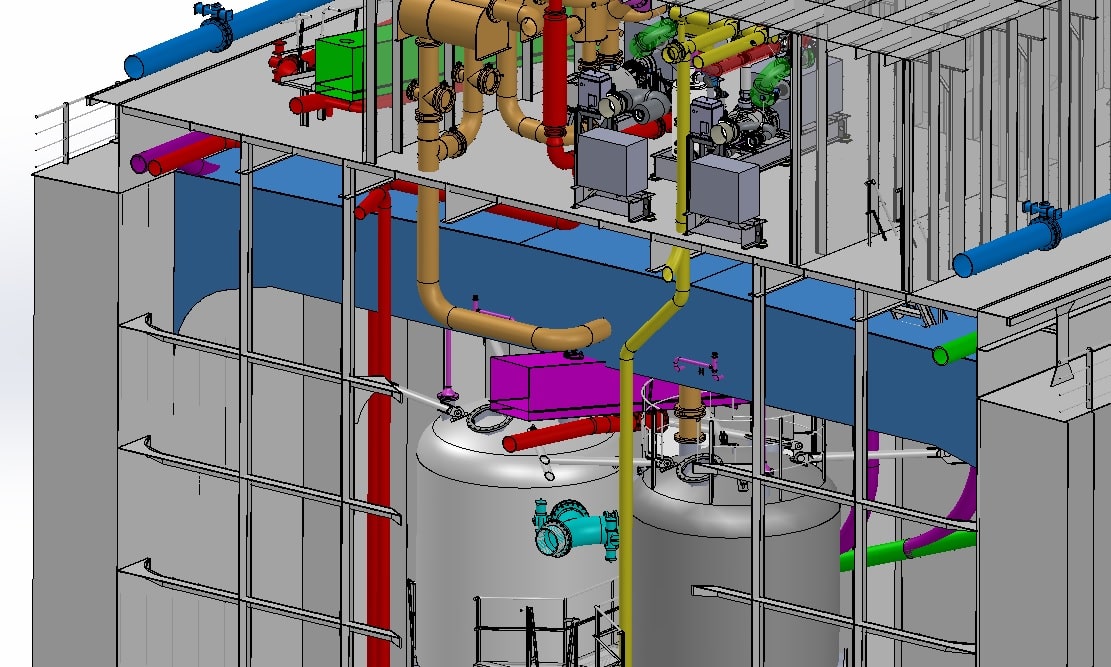
Engineering of self-unloading cement carrier Cemcommander 2022

Engineering Gantry Crane Service Units for offshore fishfarm in Norway.
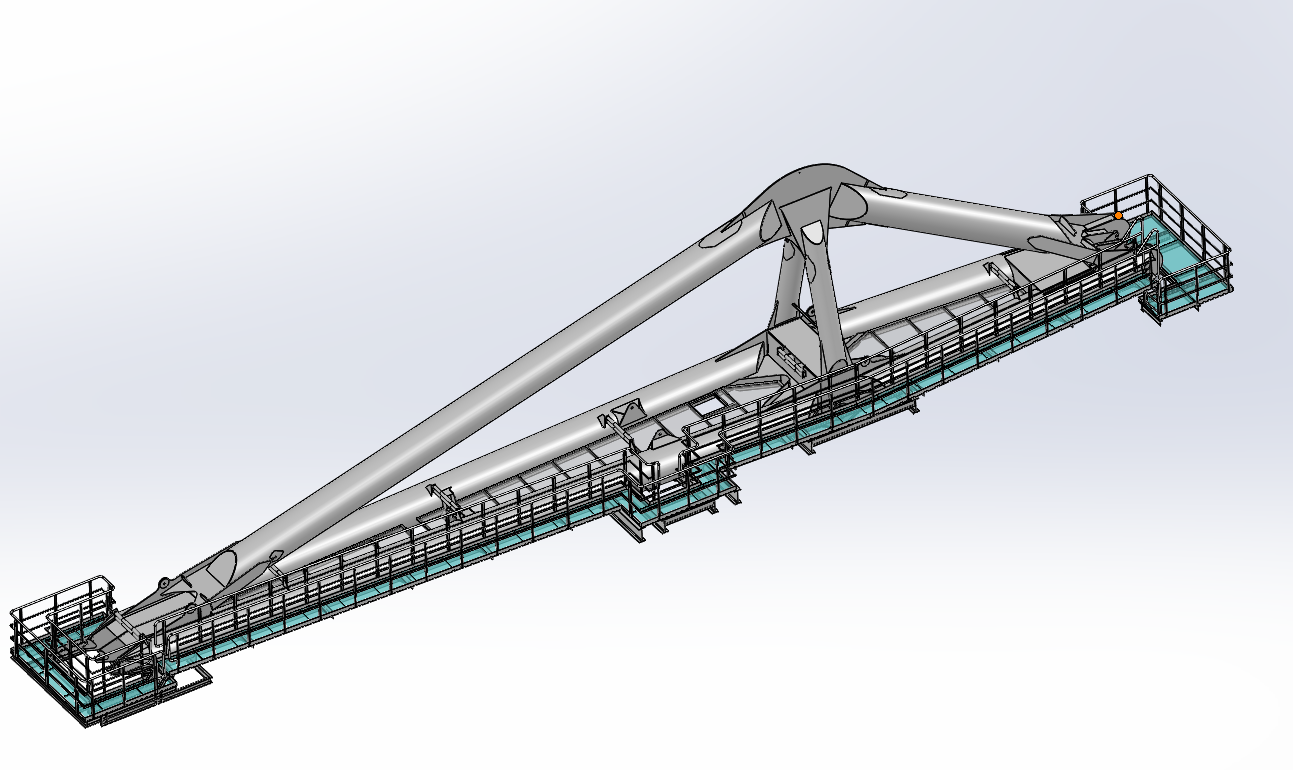
Re-engineering structural parts of floating lemniscate cranes
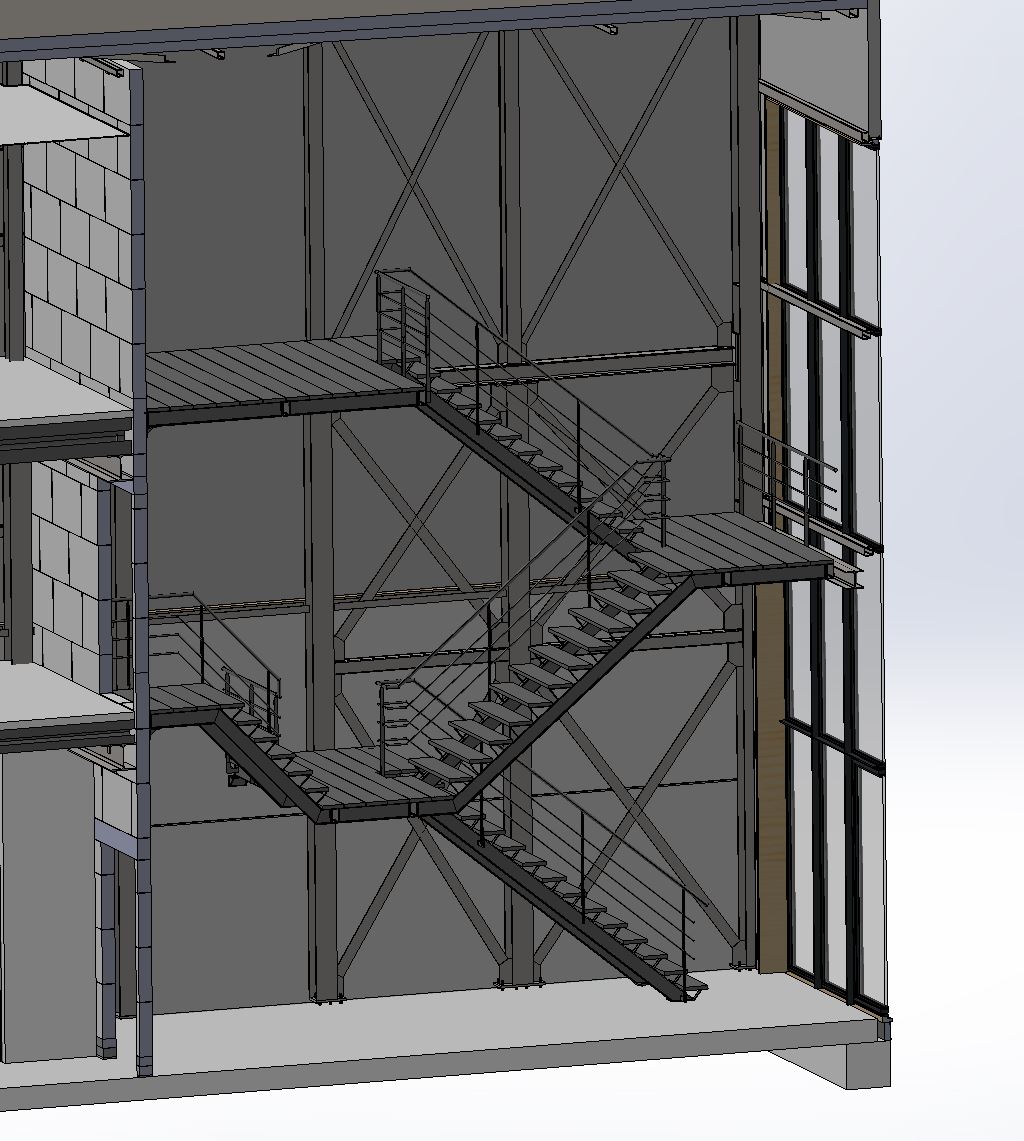
Engineering and construction of various stairs