
FEM simulations & analyses

Unlock the power of precision: FEM simulations & analysis for optimized results

Advanced FEM simulations in mechanical engineering at Novateq Engineering

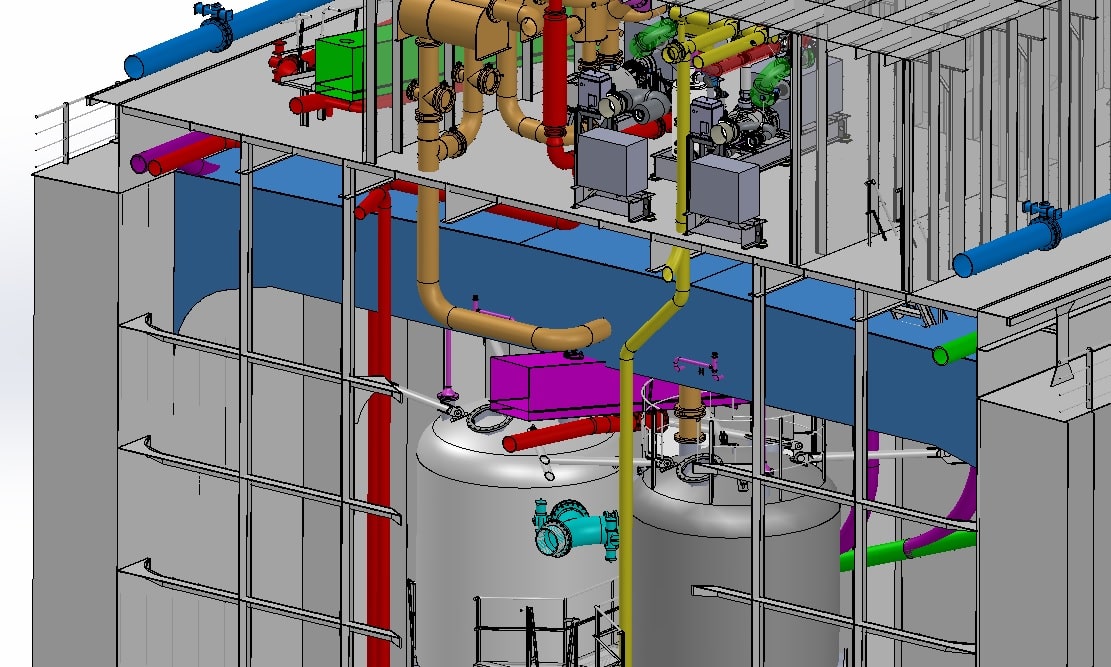
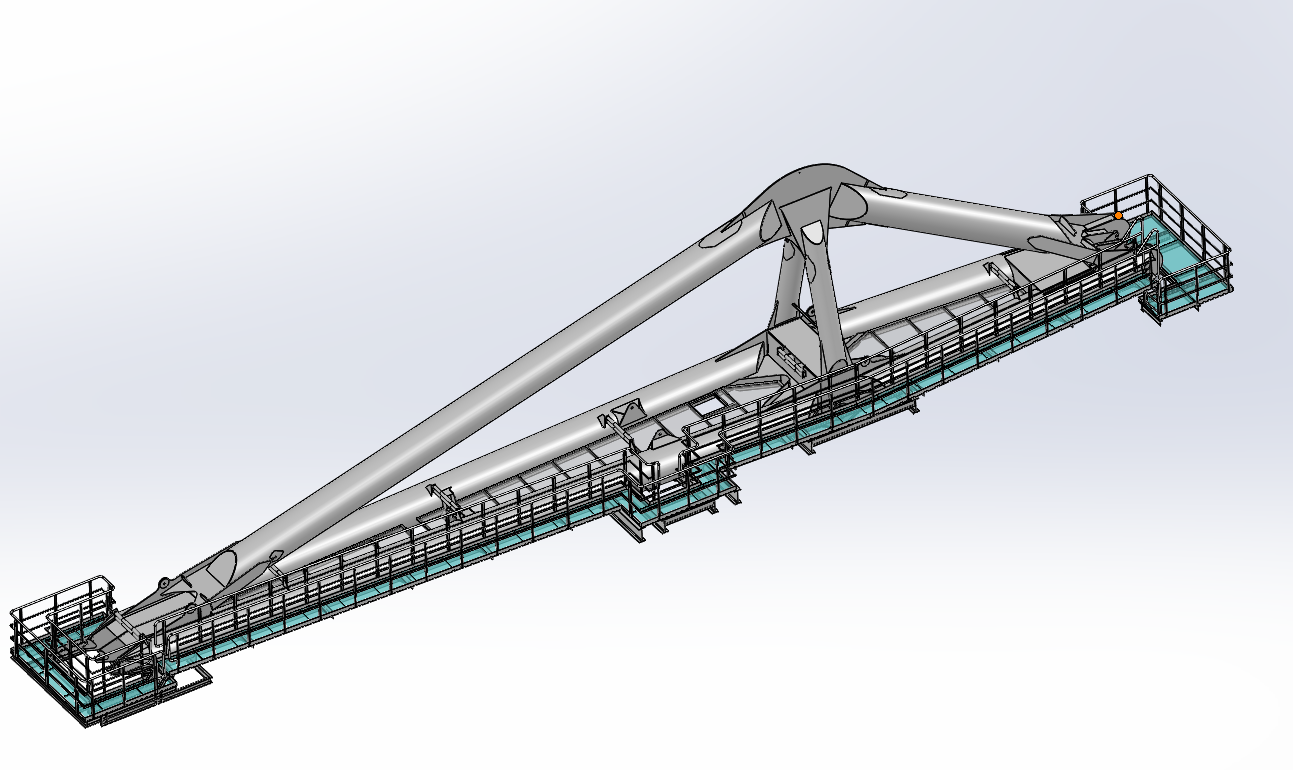
Finite Element Method (FEM) simulations represent a revolutionary approach within mechanical engineering to model and solve complex engineering problems. This technique allows us to accurately predict how products behave under a variety of physical conditions, allowing us to optimize the design even before physical prototypes are manufactured. Through FEM simulations, we also effectively map stress concentrations, which is essential for strengthening the structural integrity of designs.

The crucial role of FEM simulations in mechanical engineering

The power of precision: why FEM is indispensable. FEM simulations are indispensable for validating structural, thermal and mechanical performance of designs within mechanical engineering. These advanced analyses are fundamental to:

  • Ensure engineering precision and optimization of product designs.
  • Ensure product safety and reliability by identifying stress concentrations and other critical factors.
  • Minimize risk and strengthen product integrity through in-depth understanding of the behavior of materials and components under operational loads.

FEM allows our engineers to make design decisions based on thorough analysis, leading to more robust and reliable products.

Quickly go to

The process of FEM simulations & analyses:

Preparation of Data

Data as the Basis: Careful Preparation for FEM Simulations An accurate simulation begins with accurate data. We collect and prepare all necessary input data for the simulation, which provides the basis for reliable and valid results.

Model development

Modeling Reality: Detailed FEM Models Our experts develop detailed FEM models that accurately reflect the realistic conditions and physical properties of the objects under investigation. These models are pivotal in the process of problem solving and optimization.

Analysis and Optimization

From Analysis to Action: Optimizing with FEM After running the simulations, we thoroughly analyze the results and make recommendations for improvements. This phase is crucial for refining the design and increasing the efficiency and effectiveness of the final product.

Feedback and Iteration

Continuous Improvement: Iterative Feedback Loops After analysis and optimization comes an essential step in our engineering process: feedback and iteration. This phase involves integrating feedback from the simulation results and applying iterations to the models where necessary. This allows us to make improvements that further enhance the performance and reliability of the final product. By adopting a cyclical approach to design and evaluation, we ensure that our engineering solutions not only meet current specifications, but also remain flexible for future modifications and improvements.

Tools for FEM simulations & analyses:

AutoCAD

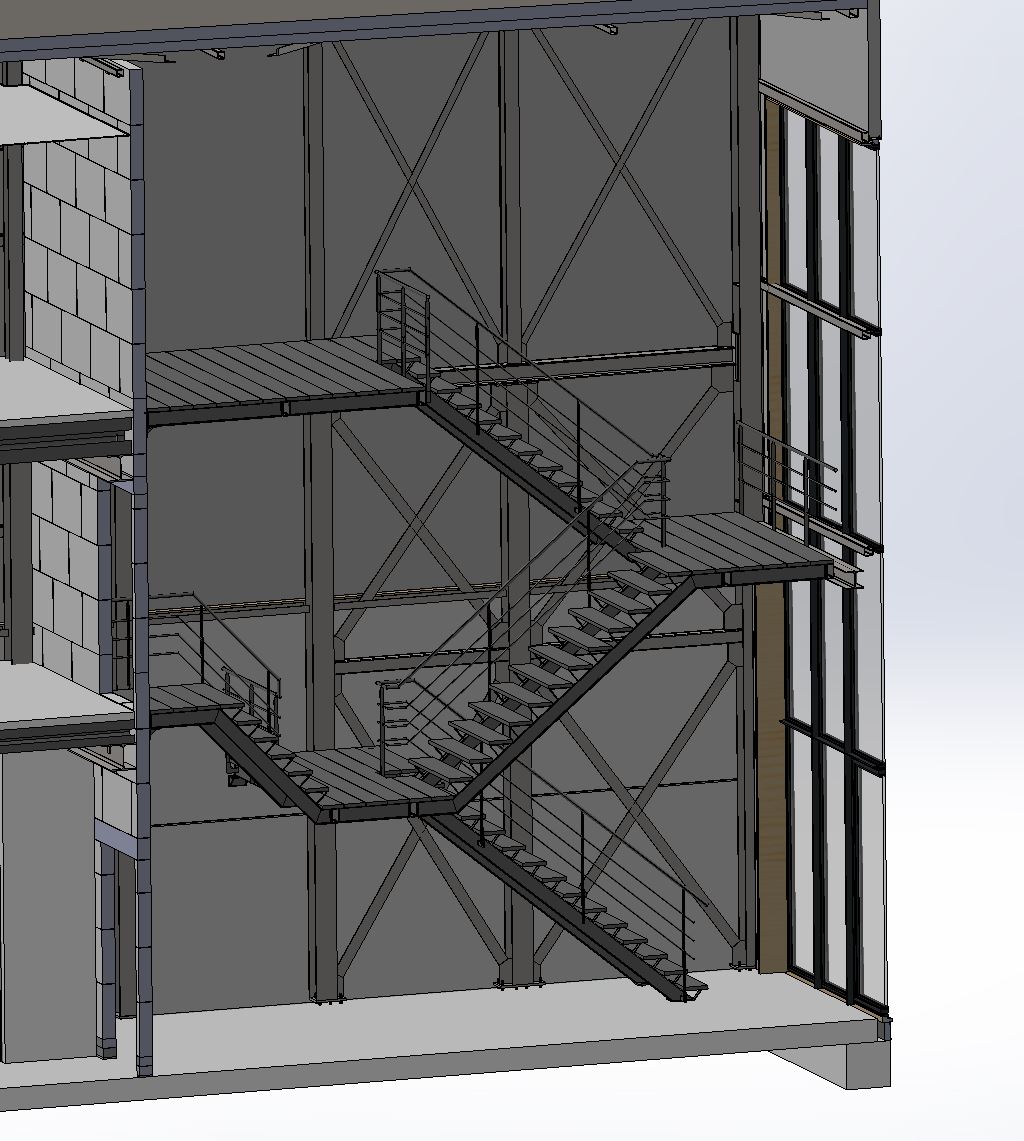
AutoCAD is our primary tool for creating accurate 2D and 3D drawings. This software allows us to create and manipulate complex geometries, which is essential for the design of mechanical components and systems.

Inventor

Inventor is used for 3D modeling and complex assemblies. This tool allows us to visualize and test mechanical designs in realistic conditions, thanks to powerful simulation capabilities.

SolidWorks

SolidWorks is used for 3D modeling and complex assemblies. This tool helps us visualize and test mechanical designs under realistic conditions through powerful simulation capabilities.

ANSYS

ANSYS is our preferred tool for performing advanced simulations essential for analyzing mechanical, thermal and fluid dynamic performance of engineering designs. ANSYS allows us to perform critical tests under controlled simulation conditions, which allows us to ensure the durability and functionality of our designs before they go into production. This not only ensures the safety and reliability of our projects, but also improves the efficiency and cost-effectiveness of the engineering process

SketchUp

SketchUp, a versatile 3D modeling software that helps us visualize and plan complex projects. This tool is indispensable for quick and efficient design of detailed structures and installations. SketchUp allows our engineers to create realistic and accurate models that are essential for reviewing designs before actual construction begins. This not only promotes better understanding and communication with our customers, but also allows us to identify and resolve potential problems early.

Visio

We use Microsoft Visio to effectively create P&IDs (Piping and Instrumentation Diagrams) and flow diagrams. This tool allows us to clearly visualize complex process information, which is crucial for accurate planning and communication within project teams. Find out how Visio makes our projects more efficient and transparent.

Innovation in Engineering - Practical solutions for complex projects

Articles FEM simulations & analyses

FEM, or Finite Element Method, is a numerical technique used to analyze complex structural, thermal and mechanical problems. It works by breaking down a large problem into smaller, simpler parts, called elements, which together form a model. These elements are then used to calculate stresses, displacements and other important parameters.

FEM simulations are crucial in mechanical engineering because they allow engineers to accurately predict the behavior of materials and structures under various loads. This helps optimize designs and avoid costly errors during production.

Yes, FEM can be applied to both new and existing designs. For new designs, it helps with optimization and validation before physical prototyping. For existing designs, it can help identify and solve problems or improve performance and reliability.

Scroll to Top