
Re-engineering

Revolutionize your processes with expert Re-engineering

Re-engineering in mechanical engineering: transforming operational efficiency

What is Re-engineering in mechanical engineering?
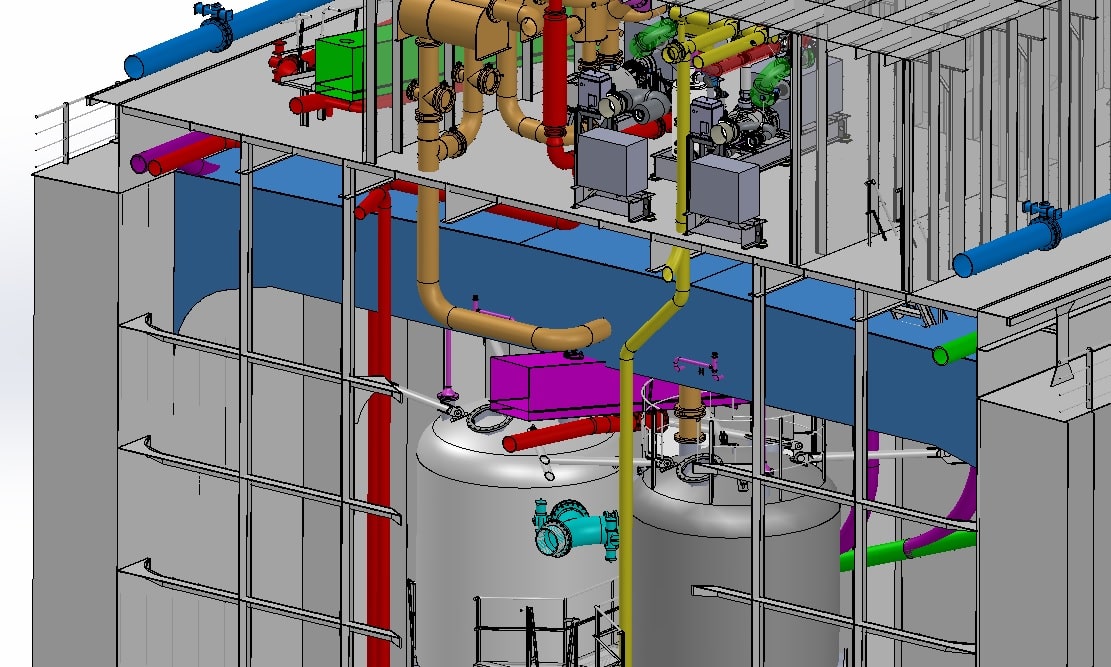
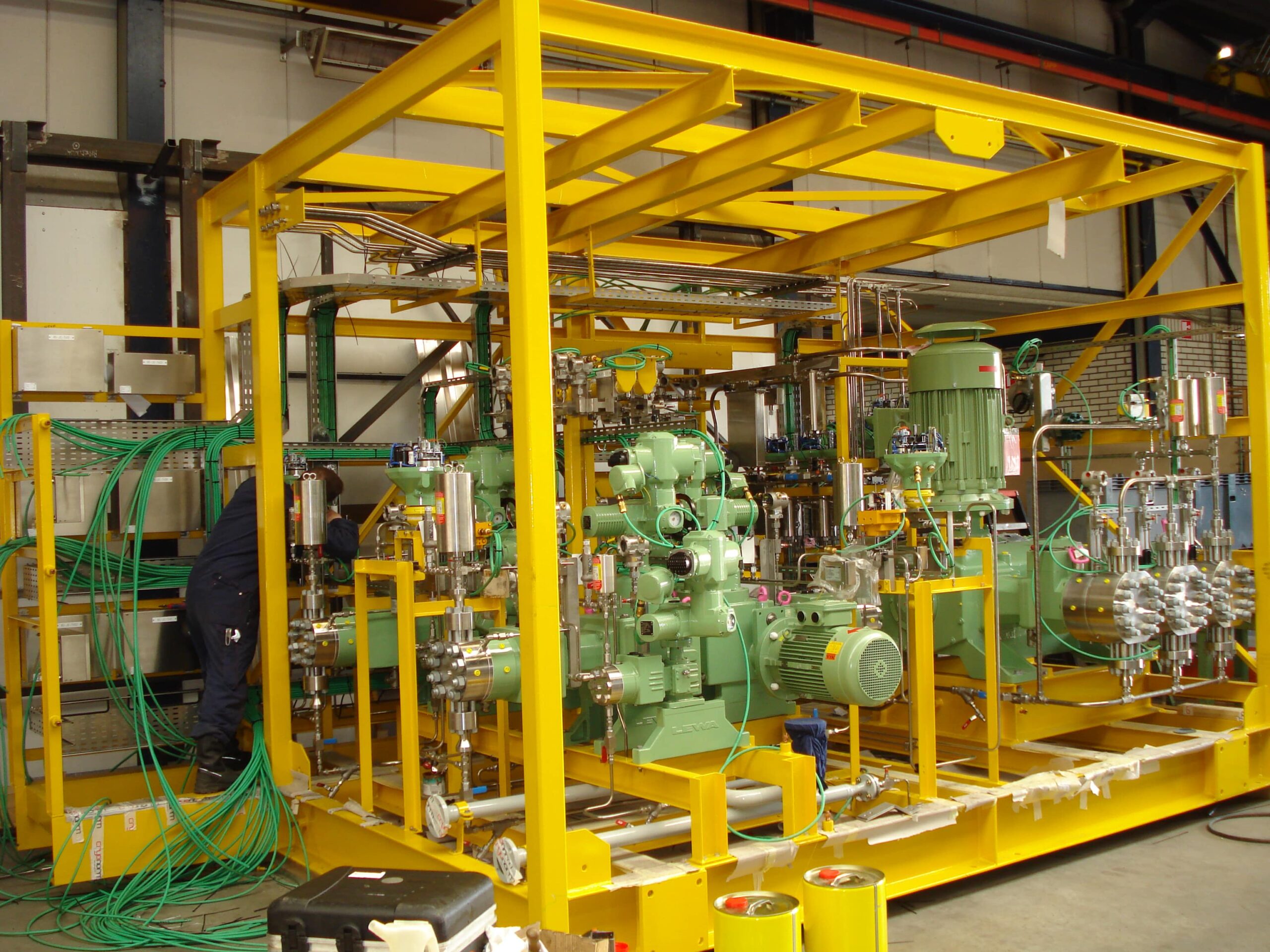
In mechanical engineering, re-engineering involves the fundamental redesign and modification of existing systems and processes to significantly improve performance. This goes beyond simple tweaks; it is a thorough rethinking of existing operational procedures, aimed at maximizing efficiency and functionality. The applications of re-engineering include:

  • Radically improve product design and manufacturing processes.
  • Optimize machine and production workflows.
  • Integrating new technologies into existing systems.

The important role of re-engineering in modern mechanical engineering

Why Re-engineering is Essential in the Current Landscape of Mechanical Engineering.
In the rapidly evolving world of technology and mechanics, it is essential to constantly revise and improve operational systems and processes. Re-engineering plays a crucial role in:

  • Adapt to new market demands and technological advances.
  • Promote business growth and improve project sustainability.
  • Ensure operational procedures remain efficient and provide competitive advantage.

Discover how re-engineering can transform your mechanical engineering processes and bring a new dynamic to how your projects are planned and executed.

Quickly go to

The process of Re-engineering:

Analysis of Existing Systems

Diagnosis for Success: Analysis of Existing Systems The re-engineering process begins with a thorough evaluation of your current systems. We identify the bottlenecks and inefficiencies that need improvement, which forms the basis for effective redevelopment.

Design and Redevelopment

Creativity and Accuracy: Design and Redevelopment With the insights from the systems analysis, our experts get to work redesigning processes and systems. We strive to improve performance and efficiency, applying innovative solutions specific to your operational needs.

Implementation and Optimization

From Theory to Practice: Implementation and Optimization After the redesign, the implementation phase follows. We ensure seamless integration of the redesigned systems and provide ongoing support to ensure optimization. This ensures continuous improvement and adaptation to future changes.

Validation and Continuous Improvement

Assuring Quality and Sustainability: Validation and Continuous Improvement The final step in our re-engineering process is the validation of the implemented systems and their continuous improvement. After implementation, we perform extensive testing to ensure that all systems function correctly and meet the specifications set. This validation phase is essential to confirm the effectiveness of the redeveloped processes and systems and to ensure that they deliver optimal results.

Tools for Re-engineering:

At Novateq Engineering, we integrate the latest technologies and advanced software tools into our design process to ensure high-quality and accurate results. Below is an overview of the key technologies and tools we use for conceptual design:

AutoCAD

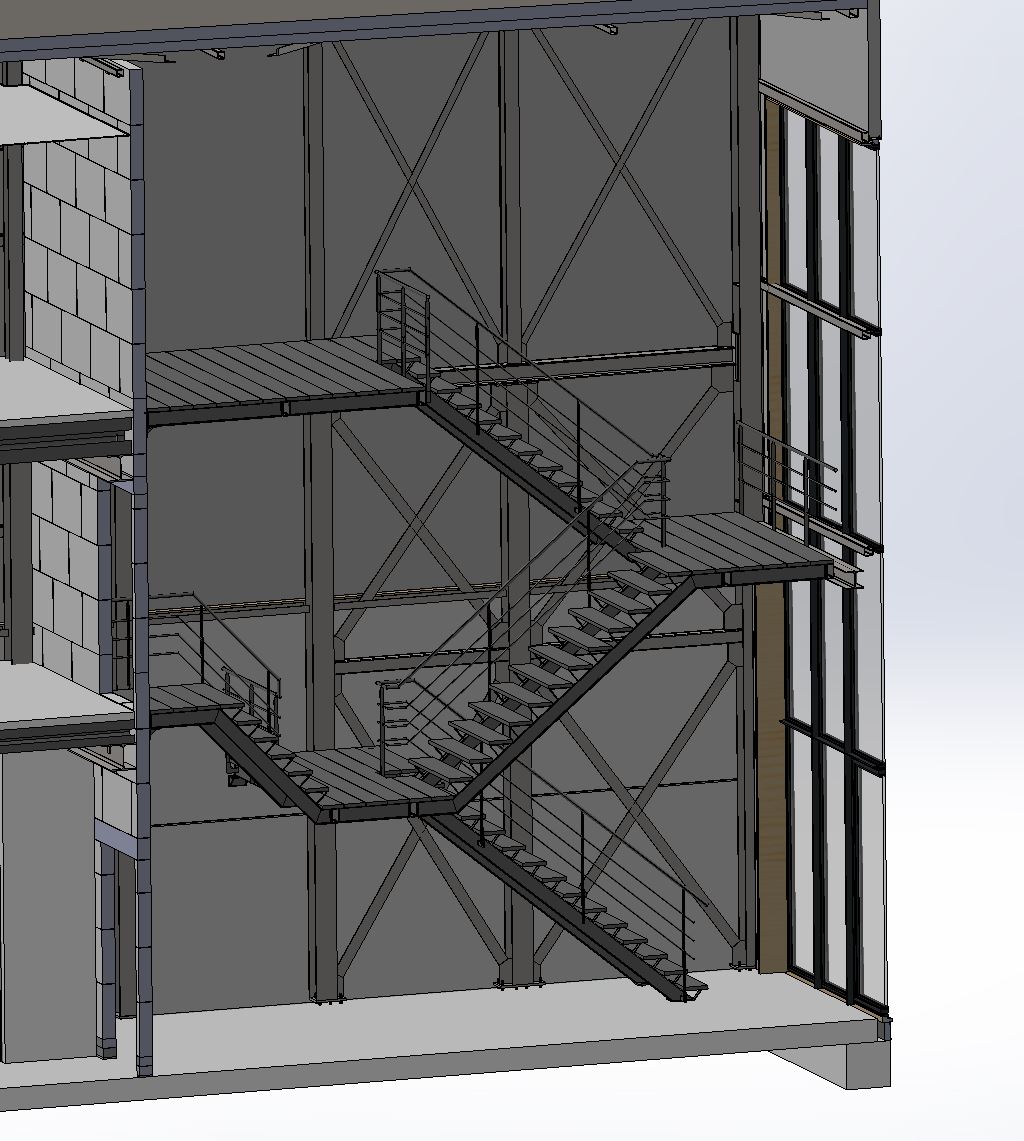
AutoCAD is our primary tool for creating accurate 2D and 3D drawings. This software allows us to create and manipulate complex geometries, which is essential for the design of mechanical components and systems.

Inventor

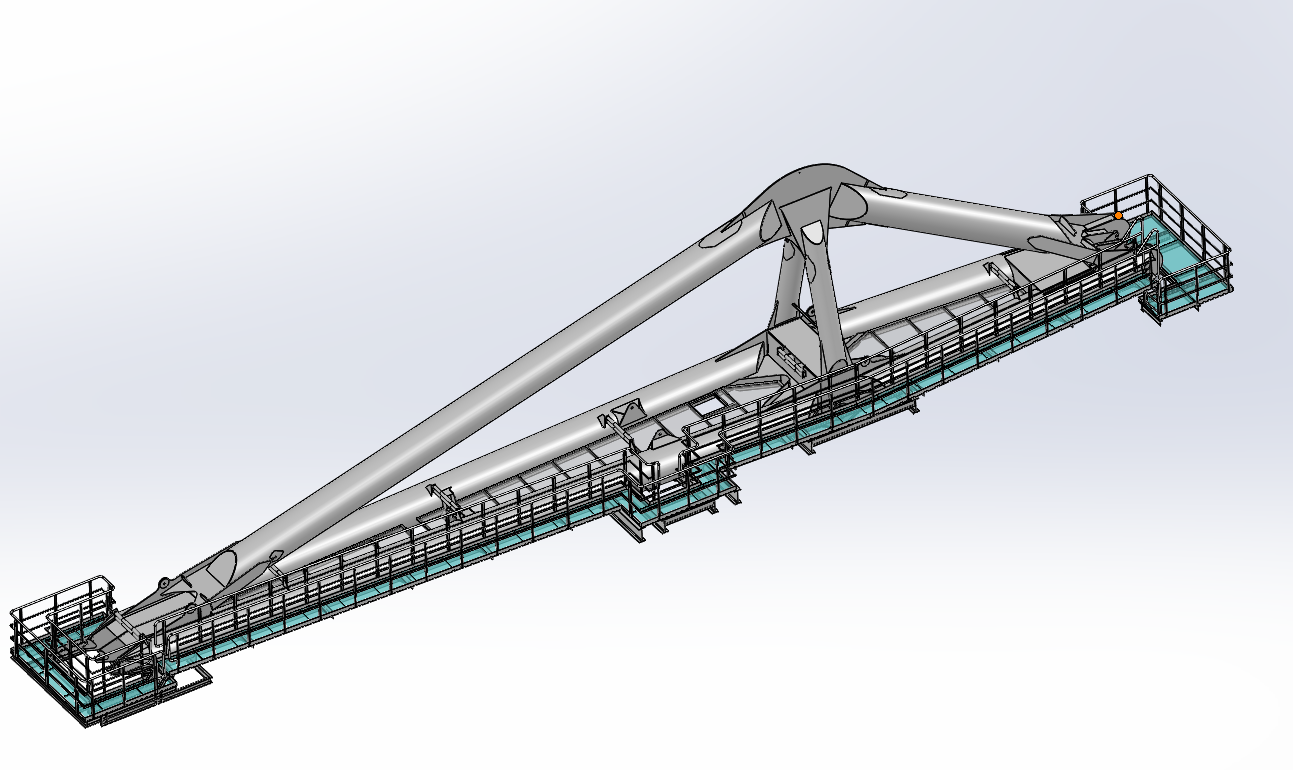
Inventor is used for 3D modeling and complex assemblies. This tool allows us to visualize and test mechanical designs in realistic conditions, thanks to powerful simulation capabilities.

SolidWorks

SolidWorks is used for 3D modeling and complex assemblies. This tool helps us visualize and test mechanical designs under realistic conditions through powerful simulation capabilities.

ANSYS

ANSYS is our preferred tool for performing advanced simulations essential for analyzing mechanical, thermal and fluid dynamic performance of engineering designs. ANSYS allows us to perform critical tests under controlled simulation conditions, which allows us to ensure the durability and functionality of our designs before they go into production. This not only ensures the safety and reliability of our projects, but also improves the efficiency and cost-effectiveness of the engineering process

SketchUp

SketchUp, a versatile 3D modeling software that helps us visualize and plan complex projects. This tool is indispensable for quick and efficient design of detailed structures and installations. SketchUp allows our engineers to create realistic and accurate models that are essential for reviewing designs before actual construction begins. This not only promotes better understanding and communication with our customers, but also allows us to identify and resolve potential problems early.

Visio

We use Microsoft Visio to effectively create P&IDs (Piping and Instrumentation Diagrams) and flow diagrams. This tool allows us to clearly visualize complex process information, which is crucial for accurate planning and communication within project teams. Find out how Visio makes our projects more efficient and transparent.

Innovation in Engineering - Practical solutions for complex projects

Articles Re-engineering

FEM, of Finite Element Method, is een numerieke techniek gebruikt om complexe structurele, thermische en mechanische problemen te analyseren. Het werkt door een groot probleem op te splitsen in kleinere, eenvoudigere delen, genaamd elementen, die samen een model vormen. Deze elementen worden vervolgens gebruikt om spanningen, verplaatsingen en andere belangrijke parameters te berekenen.
Re-engineering biedt tal van voordelen, waaronder verhoogde efficiƫntie, verbeterde productkwaliteit, lagere operationele kosten en een snellere doorlooptijd. Het helpt bedrijven ook om beter in te spelen op marktveranderingen en technologische innovaties, waardoor ze een concurrentievoordeel kunnen behouden.
Scroll to Top