
Conceptual design

Bring your ideas to life with a conceptual design.
From initial sketch to detailed plan.

Transform your vision into reality with expert mechanical engineering designs from Novateq Engineering.

At Novateq Engineering, we specialize in transforming initial concepts into concrete realities, with a focus on mechanical engineering. Every project begins with an idea, and our goal is to bring that idea to life with precision and creativity. Whether you are at the beginning of an innovative mechanical engineering project or need a creative new interpretation of existing plans, our team of expert mechanical designers and engineers is equipped to guide you from concept to realization.

Our approach includes:

  • Expert conceptualization: We take your initial ideas and translate them into practical and innovative designs.
  • Technical feasibility studies: We use advanced technologies to ensure the technical feasibility of each design.
  • Individual customization: Each design is customized, where we carefully match your specific needs and the unique requirements of the project.

With a proven track record in delivering innovative and technically feasible mechanical engineering designs, Novateq Engineering combines deep industry knowledge with the latest technologies. We develop concepts that not only meet but often exceed your expectations, while always maximizing functionality, durability, and aesthetics.

Choose Novateq Engineering to:

  • Transforming your ideas into practical and feasible mechanical engineering projects.
  • Pushing the boundaries of innovation, with solutions ready for production and implementation.
  • Shaping future possibilities, with sustainable and effective mechanical engineering solutions.

Let Novateq Engineering be your strategic partner in shaping the future. Discover how our specialized mechanical engineering services can turn your innovative ideas into realistic projects ready for production.

Quickly go to

The process of Conceptual design:

Step 1. Needs Analysis

Goal: Understand client needs and project requirements. Action: In this first phase, we have in-depth discussions with you to understand your vision, goals and specific requirements for the project. We analyze the technical requirements, intended functionalities and aesthetic desires. This phase is crucial for establishing a solid foundation for the design process.

Step 2. Sketch phase

Goal: Shape initial concepts. Action: With the information from the needs analysis, our designers begin creating initial sketches. These sketches are meant to explore various creative directions. We use both hand-drawn sketches and digital tools such as AutoCAD and SolidWorks to develop various conceptual solutions.

Step 3. Feedback rounds

Purpose: Refine concepts based on feedback. Action: Sketches will be presented to you for feedback. These interactive sessions are essential to ensure that the design fully meets your needs and the functional requirements of the project. Adjustments and improvements are made based on your input, ensuring accurate design alignment.

Step 4. Final Designs

Goal: Finalize the design for execution. Action: After several rounds of feedback and adjustments, our designers develop the chosen concepts into detailed final designs. In this phase, every aspect of the design is carefully developed, including technical specifications, materials, and integration of engineering and structural requirements. The end result is a detailed and feasible design ready for the next stages of production or construction.

Tools for Conceptual design:

AutoCAD

AutoCAD is our primary tool for creating accurate 2D and 3D drawings. This software allows us to create and manipulate complex geometries, which is essential for the design of mechanical components and systems.

Inventor

Inventor is used for 3D modeling and complex assemblies. This tool allows us to visualize and test mechanical designs in realistic conditions, thanks to powerful simulation capabilities.

SolidWorks

SolidWorks is used for 3D modeling and complex assemblies. This tool helps us visualize and test mechanical designs under realistic conditions through powerful simulation capabilities.

ANSYS

ANSYS is our preferred tool for performing advanced simulations essential for analyzing mechanical, thermal and fluid dynamic performance of engineering designs. ANSYS allows us to perform critical tests under controlled simulation conditions, which allows us to ensure the durability and functionality of our designs before they go into production. This not only ensures the safety and reliability of our projects, but also improves the efficiency and cost-effectiveness of the engineering process

SketchUp

SketchUp, a versatile 3D modeling software that helps us visualize and plan complex projects. This tool is indispensable for quick and efficient design of detailed structures and installations. SketchUp allows our engineers to create realistic and accurate models that are essential for reviewing designs before actual construction begins. This not only promotes better understanding and communication with our customers, but also allows us to identify and resolve potential problems early.

Visio

We use Microsoft Visio to effectively create P&IDs (Piping and Instrumentation Diagrams) and flow diagrams. This tool allows us to clearly visualize complex process information, which is crucial for accurate planning and communication within project teams. Find out how Visio makes our projects more efficient and transparent.

Innovation in Engineering - Practical solutions for complex projects

Articles Conceptual design

A conceptual design is an early stage in the design process in which the general direction and structure of a project are determined. It serves as a foundation upon which further details and specifications are built. In this phase, the core ideas and functions of the project are identified and visually represented, often in the form of sketches, diagrams or simple 3D models.

Conceptual design is about understanding and conveying the big picture and vision of the project. It allows designers to experiment with different ideas and concepts before deciding on the specific details. This helps in exploring different options and choosing the most effective or attractive solution.

In the context of companies like Novateq, which deal with technical and engineering projects, conceptual design plays a crucial role in defining project goals, identifying technical and financial feasibility and ensuring clear communication between all stakeholders. The result of this phase is an overall plan that guides all subsequent phases of project design and development.

A conceptual design serves as an important basis for the decision-making process. It helps all involved get a clear picture of the intentions and functional aspects of a project. By presenting a visual and understandable model, stakeholders can better assess a project’s potential and risks and make informed decisions. This design also ensures that the important questions of feasibility and scope are addressed from the beginning.

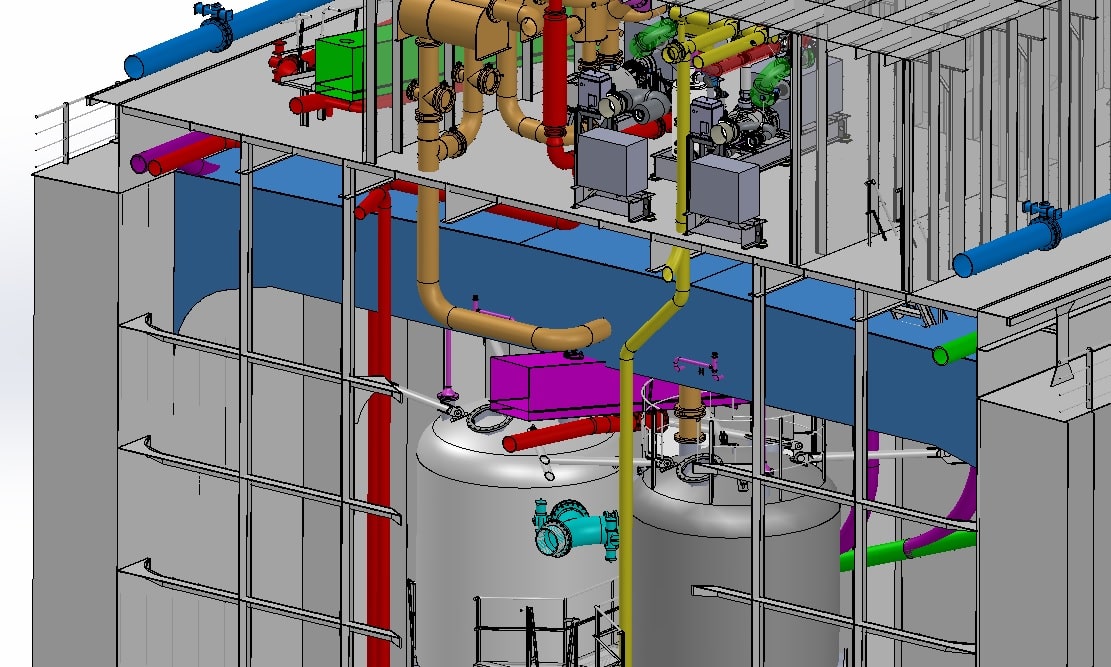
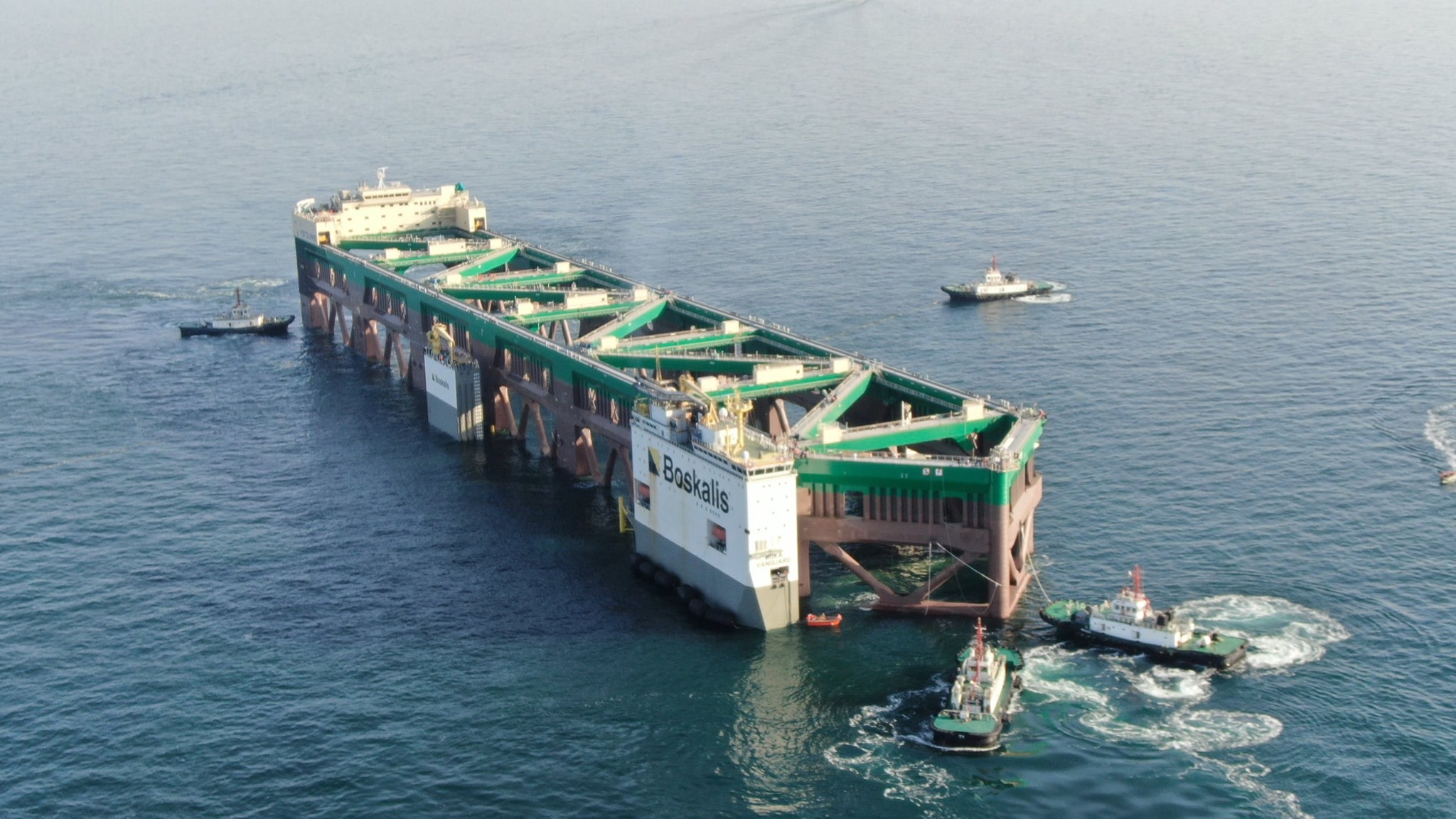
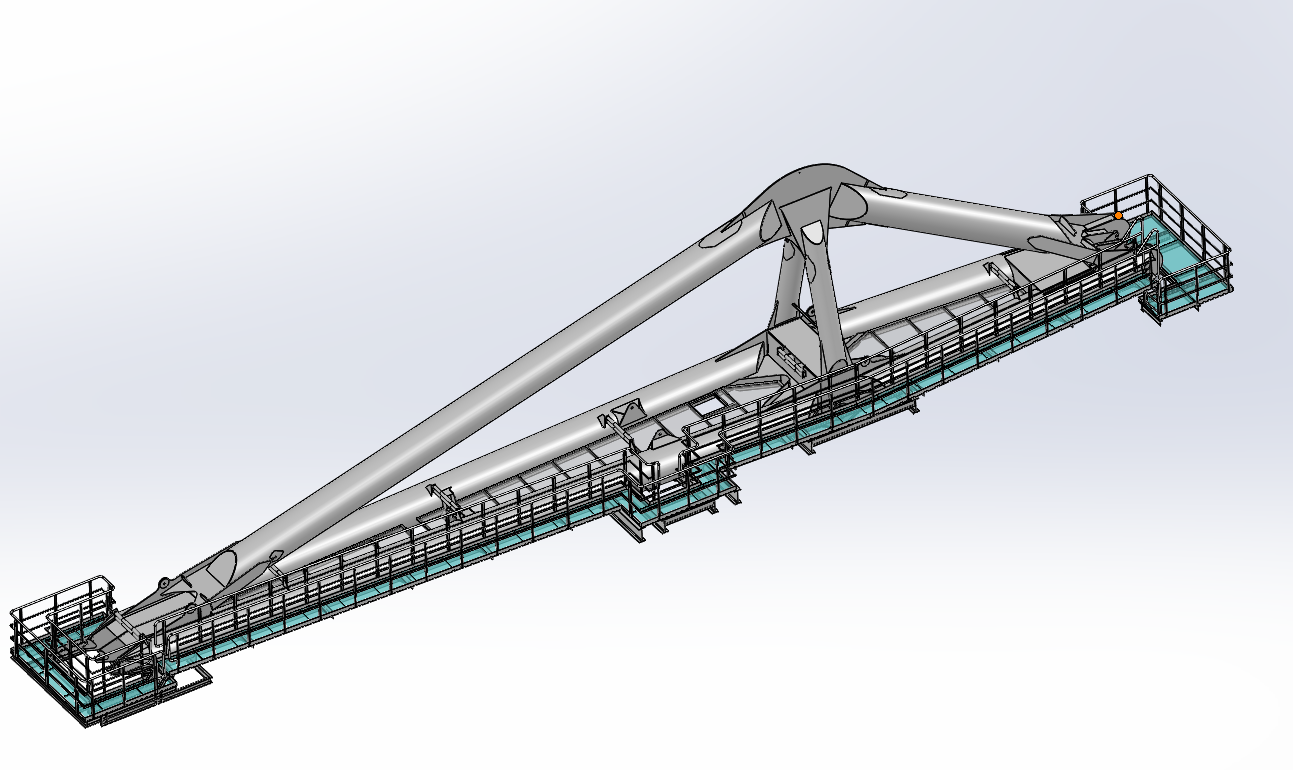
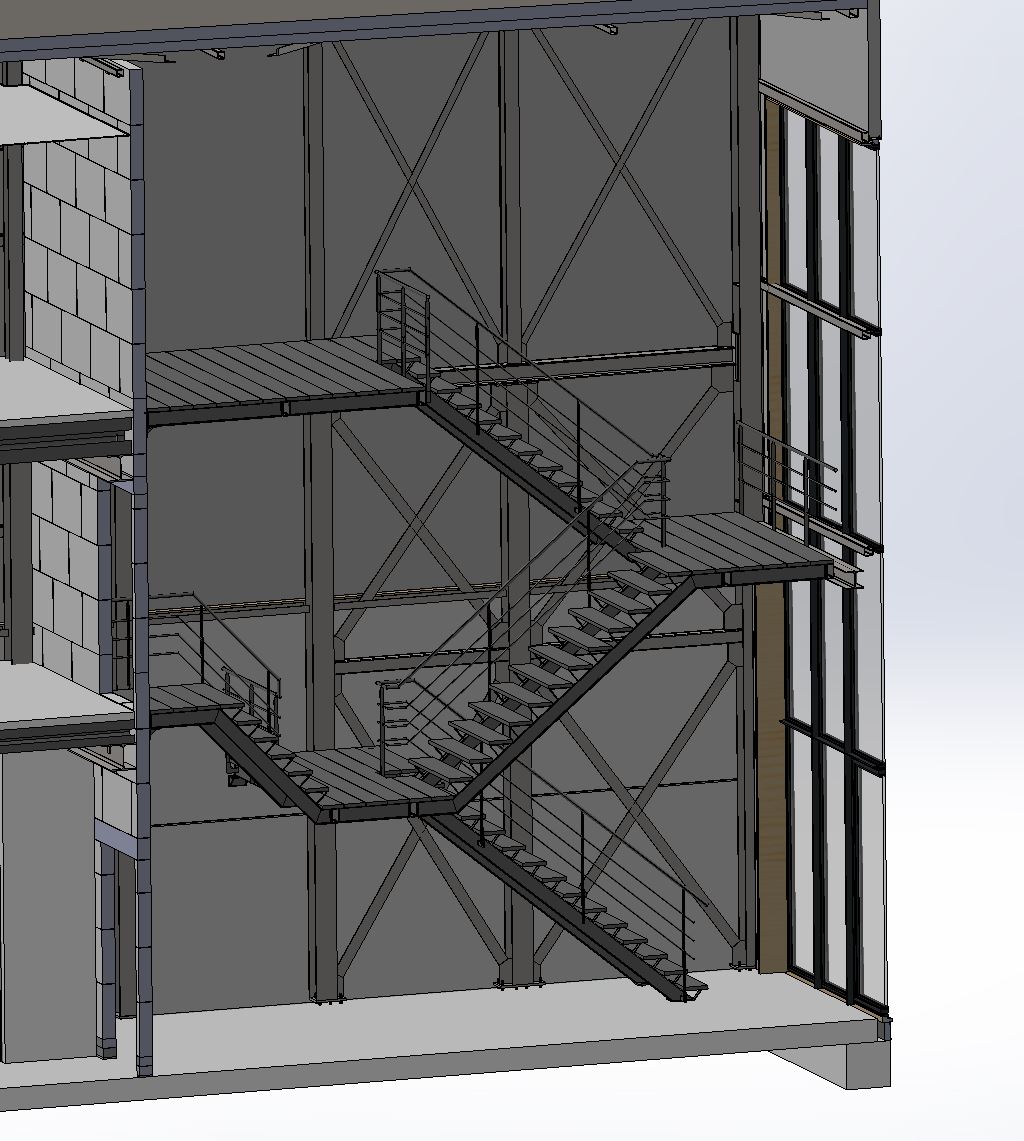
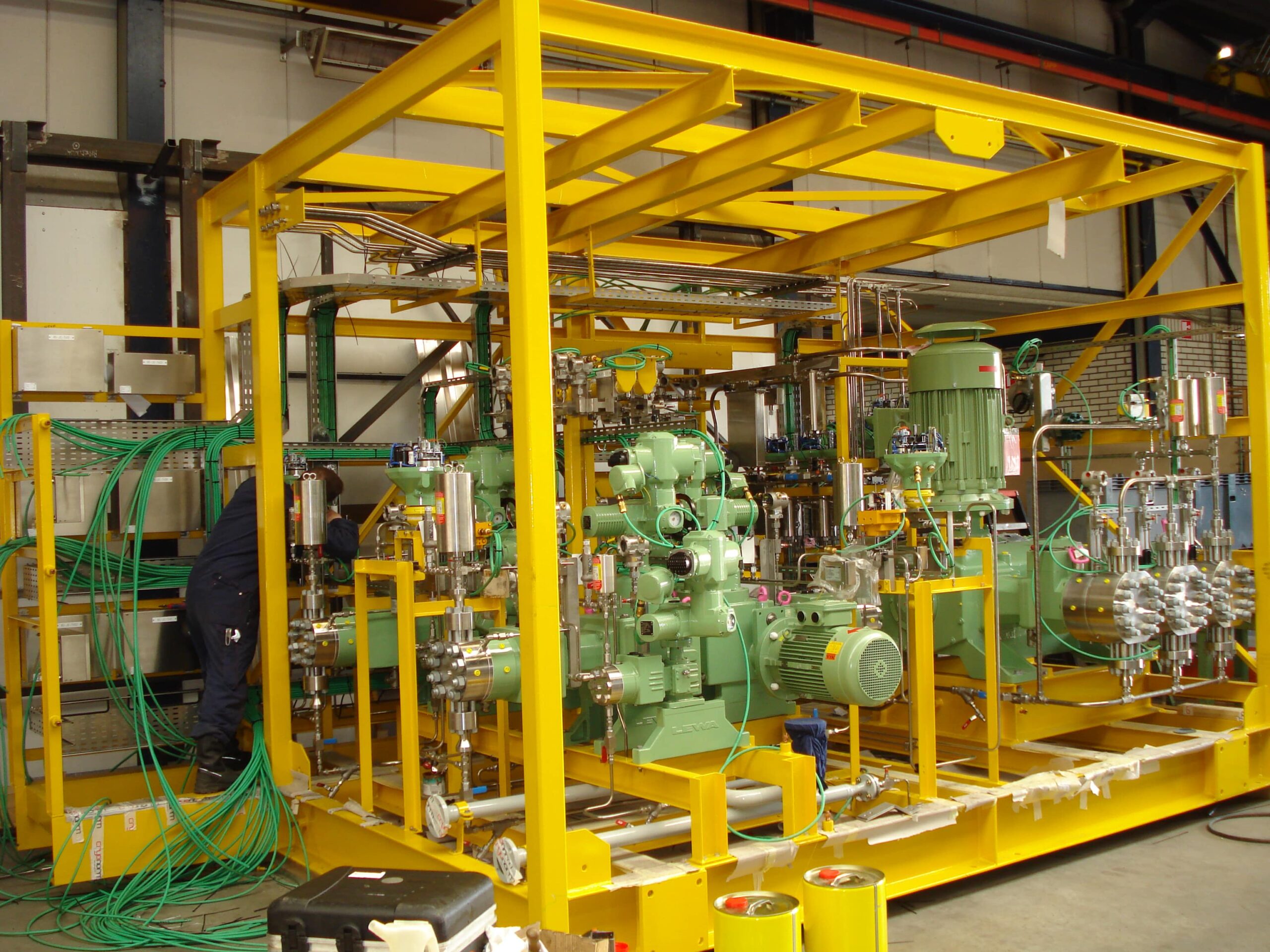
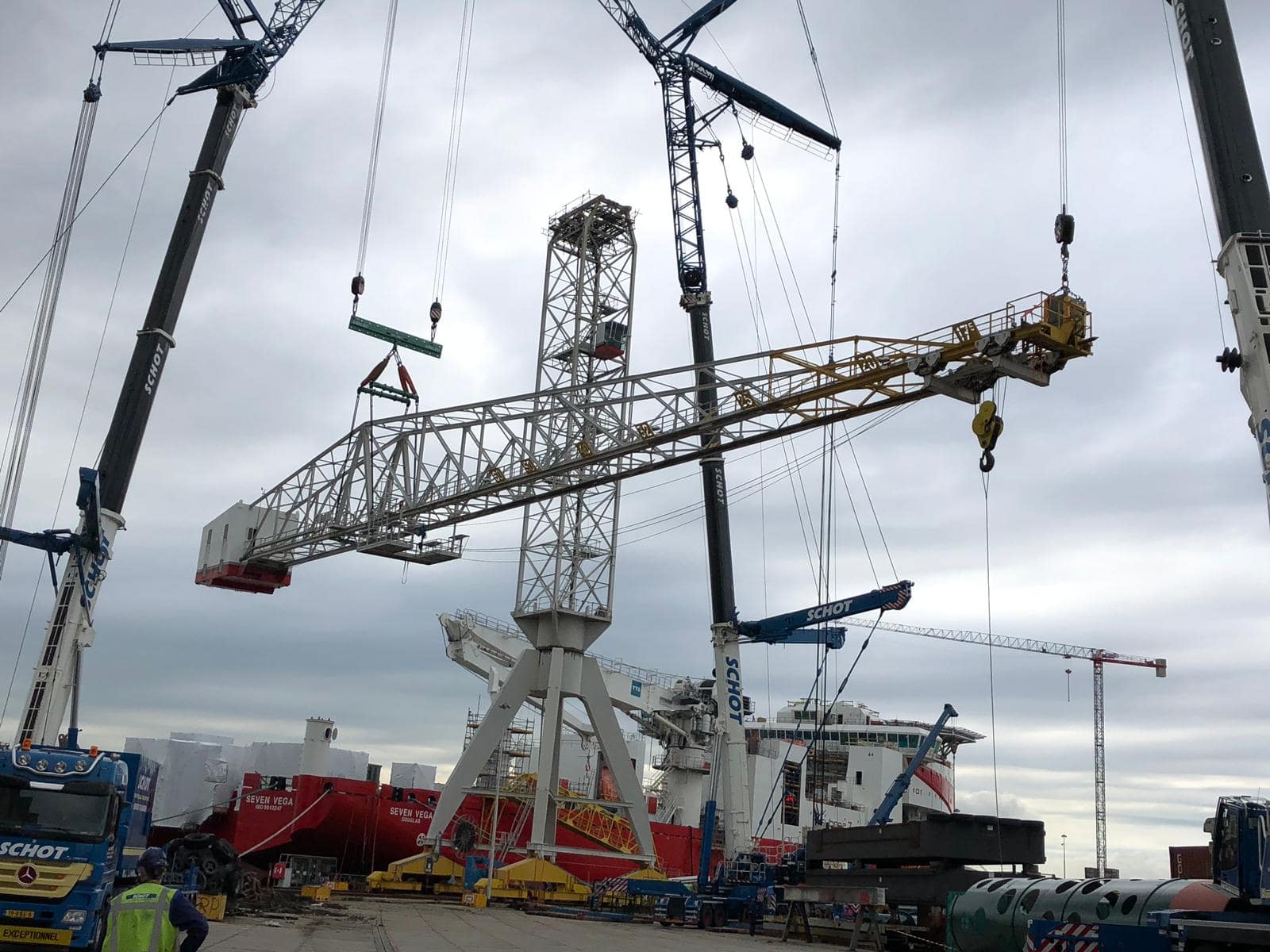
Conceptual design is crucial in industries where technical precision and safety are essential, such as crane building, marine equipment, mechanical engineering, and the offshore industry. These designs must be robust and efficient to operate under extreme conditions. It is also important for the development of material handling systems, steel structures, and complex piping and skids, where durability and functionality are paramount. In the transportation sector, conceptual design plays a key role in creating customized vehicles and infrastructure that meet specific capacity requirements and operating conditions. In these markets, conceptual design helps develop innovative and technically feasible solutions that are also economically viable.

Scroll to Top