
Detailed engineering

Precise engineering for perfection down to the smallest detail.

Detailed engineering: core development phase in mechanical engineering at Novateq Engineering

What is detailed engineering?Detailed engineering is the in-depth technical phase within mechanical engineering that is critical to the success of any technical project. In this phase, initial concepts and designs are transformed into fully defined and documented technical working drawings and specifications. It is the phase where visions take concrete shape, ready for final realization. This phase includes:

  • Preparation of specifications: Detailed descriptions that accurately outline the technical requirements of the project.
  • Basis of Calculation: The basis for all engineering calculations used to ensure design integrity and functionality.
  • Standards Application: Application of relevant industrial and safety standards essential to the certification and approval of the project.

Importance of Detailed engineering in mechanical engineering projects

Detailed engineering is fundamental to accurately defining every aspect of a mechanical engineering project. It provides:

  • Working Drawings: Detailed engineering drawings required for production and assembly of the designed components.
  • Workshopdrawings: These specific drawings contain all the information needed for the workshop, including dimensions, materials, and assembly instructions.
  • Production Readiness: Ensures that all designs are fully ready for the production phase, with verified and validated specifications that match practical production requirements.

Quickly go to

The process of Detailed engineering:

Technical Documentation

From Concept to Concrete Specifications: Our Approach to Technical Documentation
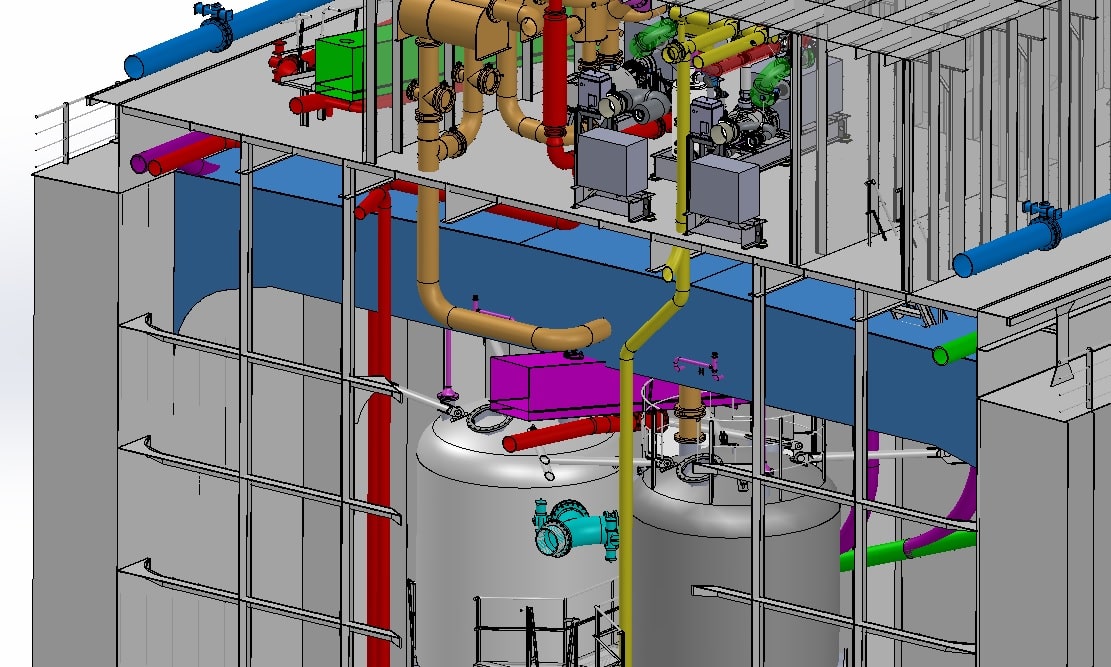
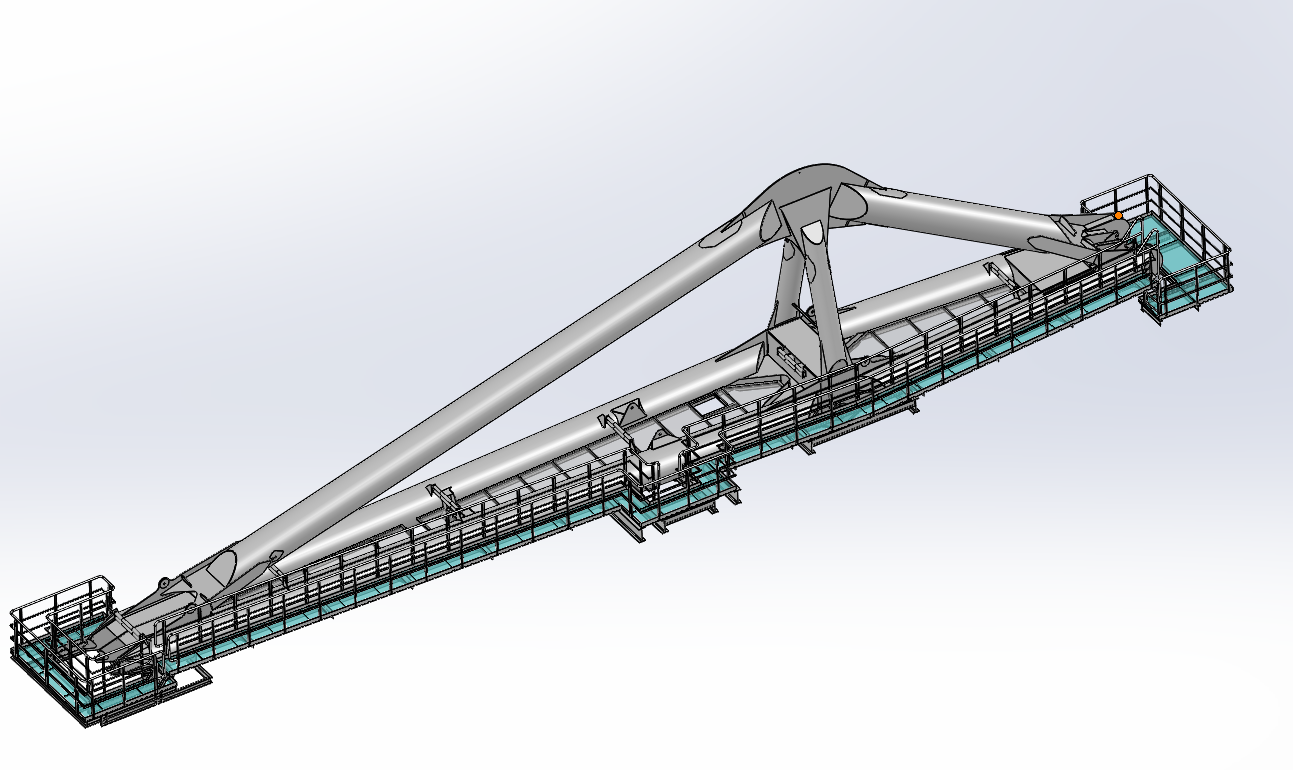
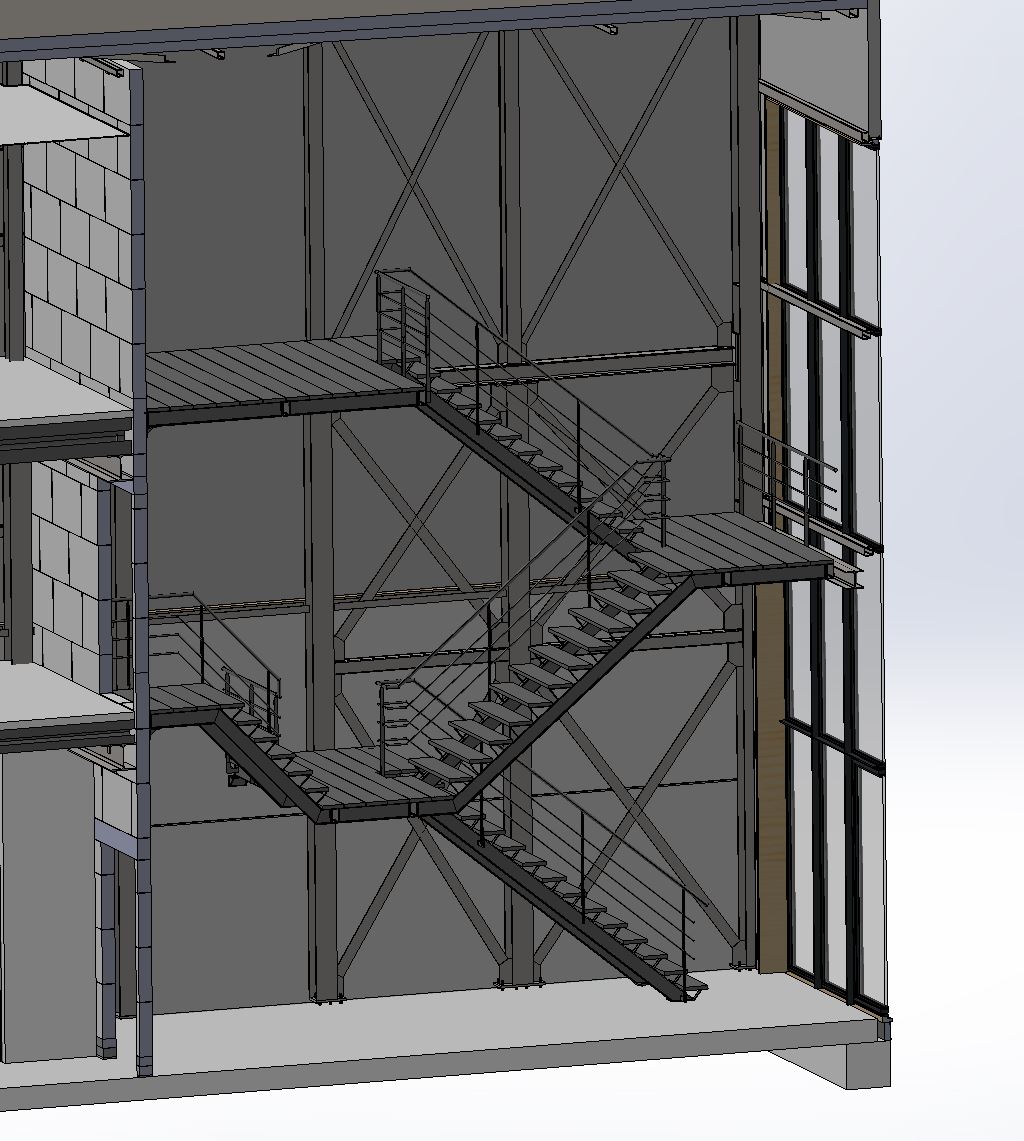
Our team specializes in producing accurate and comprehensive technical documentation essential to any manufacturing and installation process. We create detailed drawings, schematics and specifications that serve as a blueprint for the entire production process. These documents are key to the successful execution of projects and guarantee that each step is performed to exact specifications.

Interdisciplinary Coordination

Stronger Together: The Power of Interdisciplinary Coordination in Engineering
In the complex world of detailed engineering, no aspect is isolated. Our interdisciplinary coordination ensures that various technical disciplines work together seamlessly to provide an integrated and coherent solution. This process connects different teams – from mechanical and electrical engineers to software developers – and provides a unified project approach that lays the foundation for flawless execution and innovative solutions.

Compliance and Validation

Accuracy and Compliance: Ensuring Standards through Validation
Compliance and validation are the cornerstone of our engineering processes. We ensure that all engineering outputs comply with relevant industry standards and regulations. Our advanced simulations and analyses play a crucial role in this process; they help identify potential problems before the production phase begins and ensure that every part of the project meets the highest quality standards. This not only minimizes risk but also reinforces confidence in the feasibility and safety of our engineering solutions.

Completion and Completion

Seamless Transition: Implementation and Completion of Projects
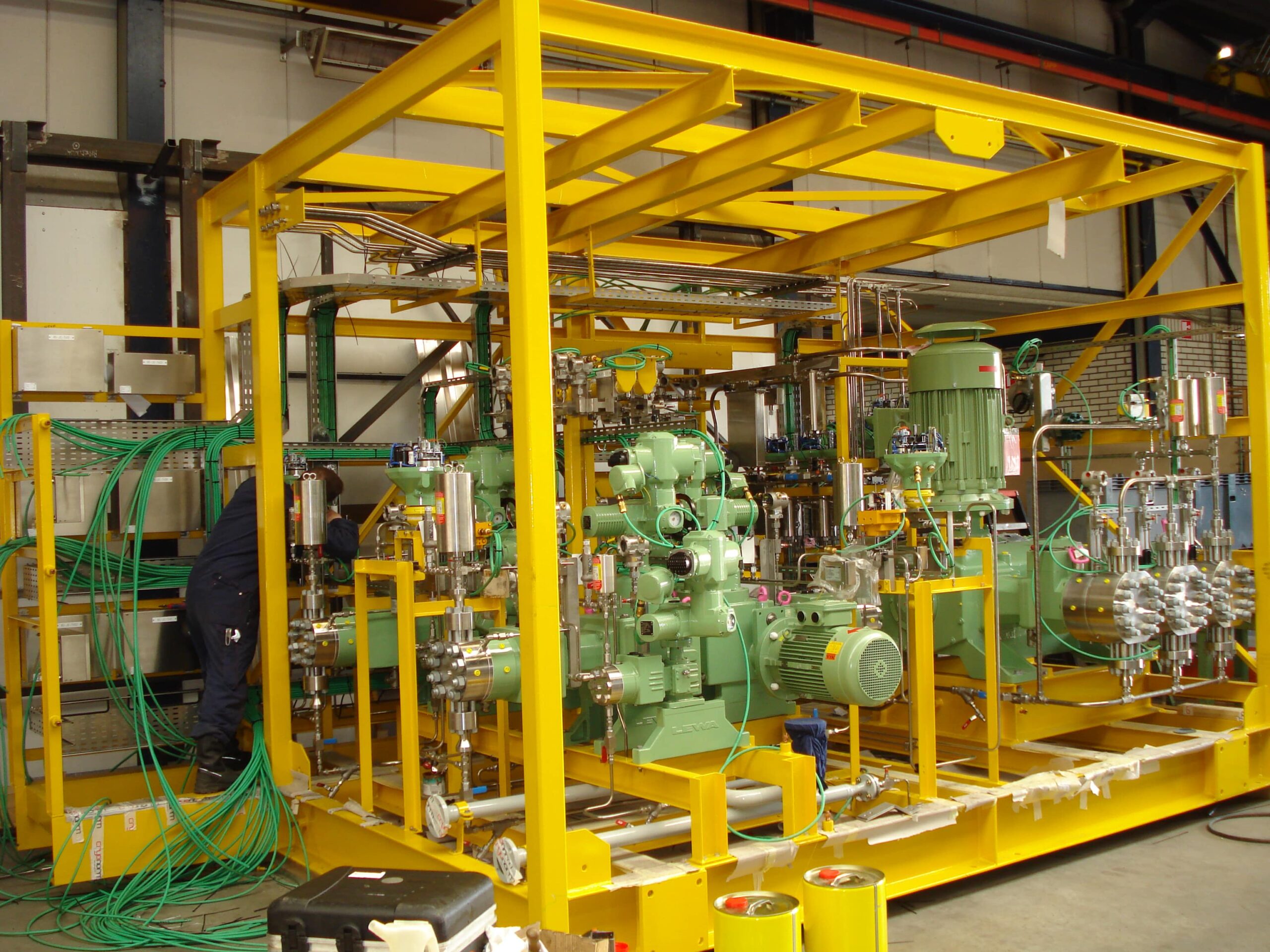
The final stage of our engineering process is delivery and completion, where all preparations and coordination come together in actual execution. This phase includes physical implementation of the design, meticulous assembly, and final commissioning of systems and structures. Our team ensures a flawless transition from design to reality, with strict adherence to all technical specifications and customer requirements. We conduct extensive testing and quality control to ensure that every component and system is functioning optimally before we formally deliver the project.

Tools for Detailed engineering:

AutoCAD

AutoCAD is our primary tool for creating accurate 2D and 3D drawings. This software allows us to create and manipulate complex geometries, which is essential for the design of mechanical components and systems.

Inventor

Inventor is used for 3D modeling and complex assemblies. This tool allows us to visualize and test mechanical designs in realistic conditions, thanks to powerful simulation capabilities.

SolidWorks

SolidWorks is used for 3D modeling and complex assemblies. This tool helps us visualize and test mechanical designs under realistic conditions through powerful simulation capabilities.

ANSYS

ANSYS is our preferred tool for performing advanced simulations essential for analyzing mechanical, thermal and fluid dynamic performance of engineering designs. ANSYS allows us to perform critical tests under controlled simulation conditions, which allows us to ensure the durability and functionality of our designs before they go into production. This not only ensures the safety and reliability of our projects, but also improves the efficiency and cost-effectiveness of the engineering process

SketchUp

SketchUp, a versatile 3D modeling software that helps us visualize and plan complex projects. This tool is indispensable for quick and efficient design of detailed structures and installations. SketchUp allows our engineers to create realistic and accurate models that are essential for reviewing designs before actual construction begins. This not only promotes better understanding and communication with our customers, but also allows us to identify and resolve potential problems early.

Visio

We use Microsoft Visio to effectively create P&IDs (Piping and Instrumentation Diagrams) and flow diagrams. This tool allows us to clearly visualize complex process information, which is crucial for accurate planning and communication within project teams. Find out how Visio makes our projects more efficient and transparent.

Innovation in Engineering - Practical solutions for complex projects

Articles Detailed engineering

Scroll to Top