
3D modeling & development

Bring your ideas to life with professional 3D modeling.

Exploring the power of 3D modeling

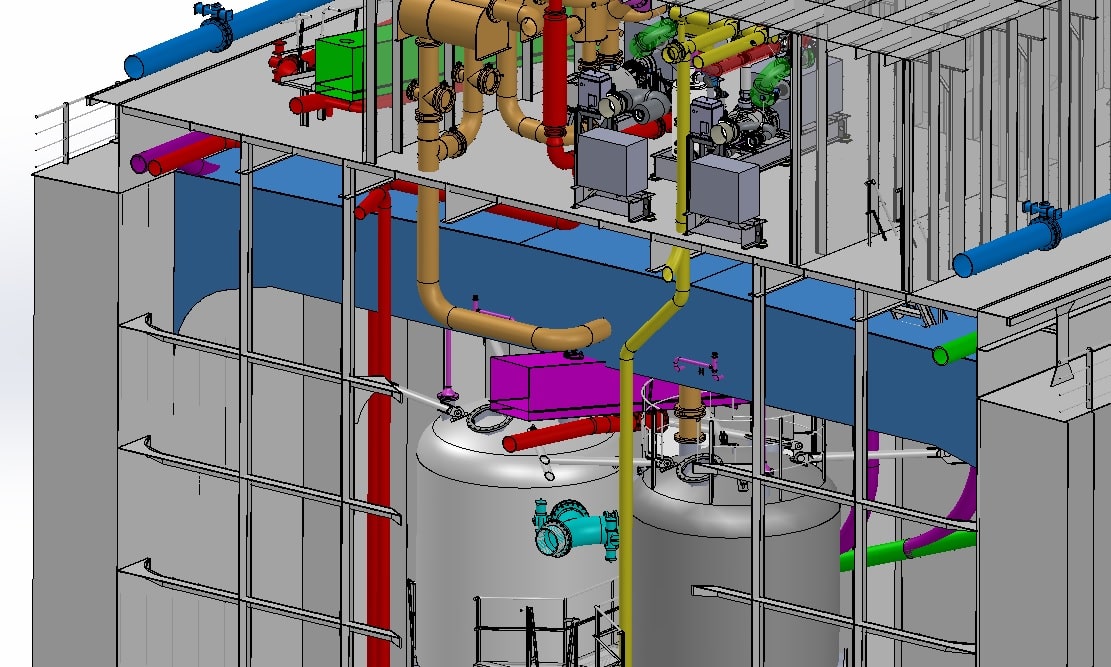
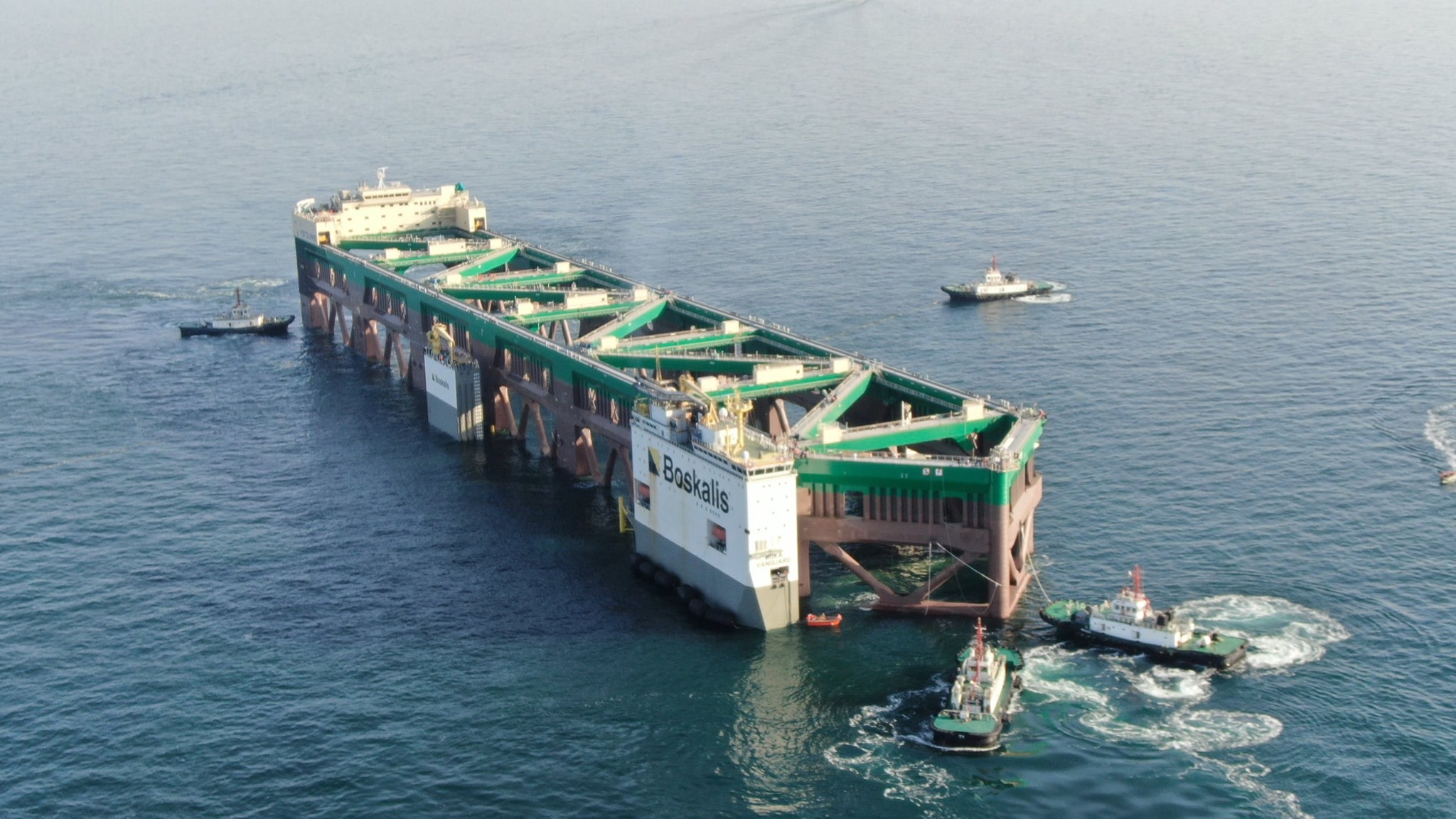
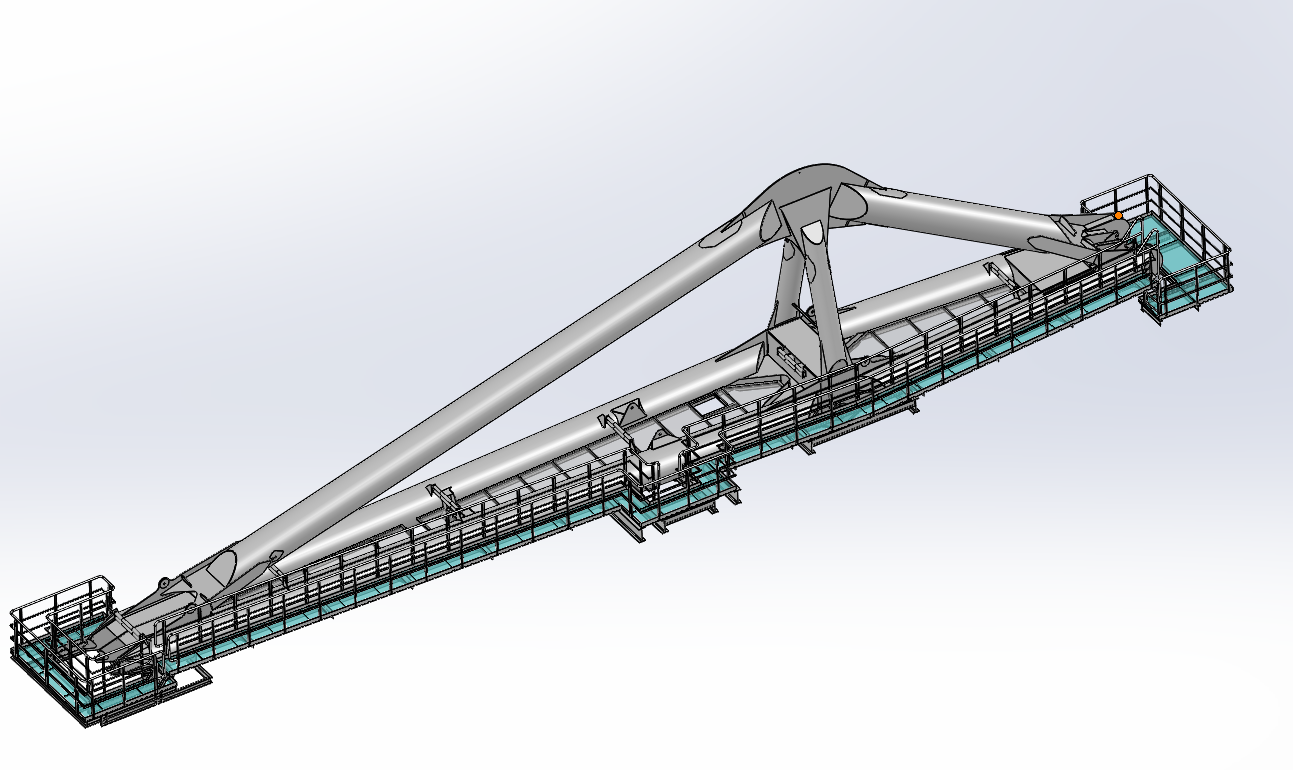
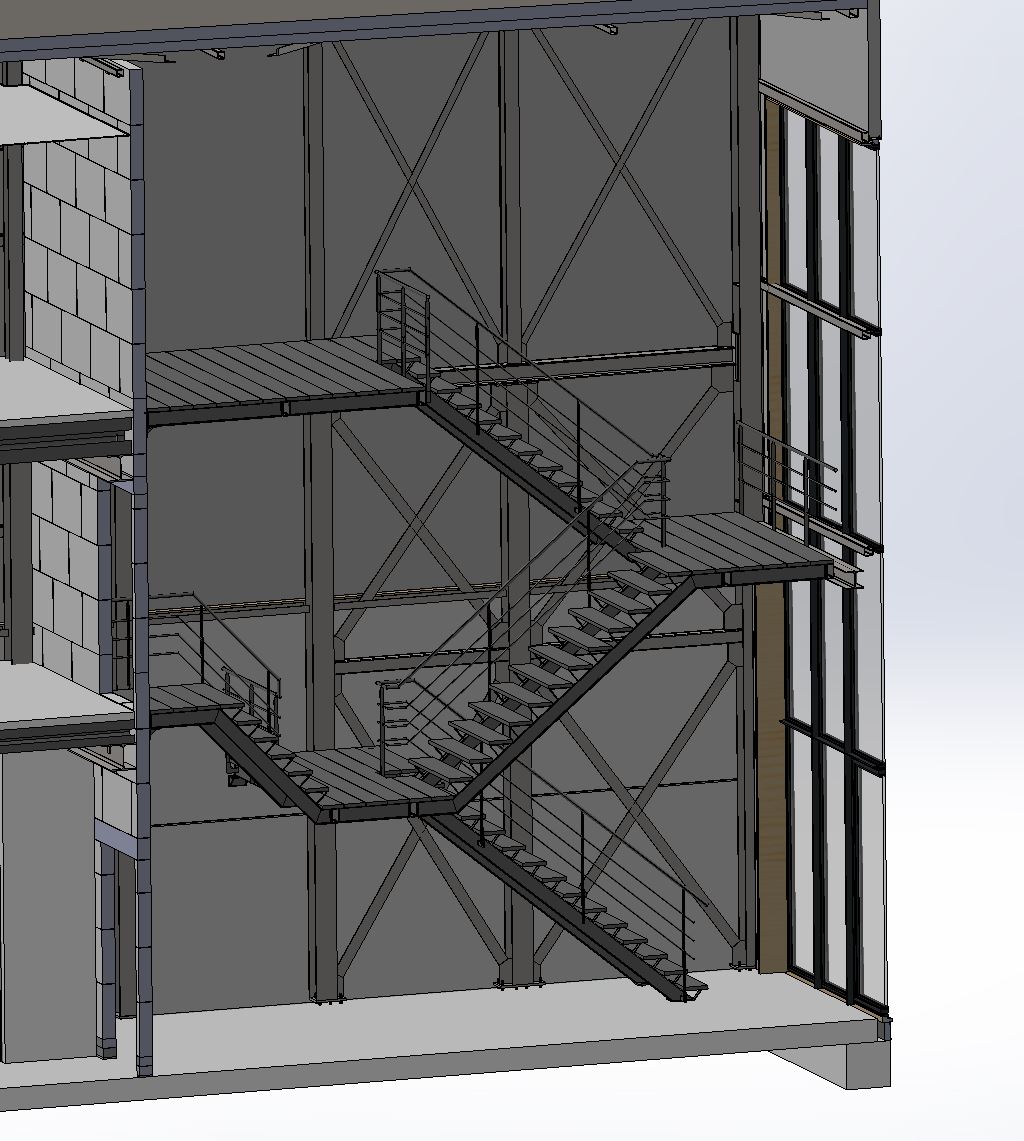
In mechanical engineering, 3D modeling is an essential technique that allows physical objects to be digitally designed and modeled in three dimensions. This technology is crucial for creating complex shapes and structures, which are accurately simulated and visualized before production. This process is indispensable in fields such as product development, architecture, and the entertainment industry. Our approach to 3D modeling includes:

  • Combining artistic creativity with technical precision.
  • Continuous innovation to push the boundaries of product design.
  • Development of functional and aesthetically pleasing products.

We understand the importance of effective communication throughout the project, from concept to delivery, to ensure that your vision is accurately translated into the final product.

The revolutionary impact of 3D modeling on product development

How 3D modeling is transforming product creation
3D modeling is revolutionizing the way products are developed, from initial concept to final production. By employing advanced visualization techniques, our designers and developers can:

  • Create more accurate prototypes with a high level of detail and less material waste.
  • Accelerate the product development process.
  • Improve the quality and functionality of the final product.

Discover how our 3D modeling services can accelerate your product development, reduce costs and maximize market opportunities. Let Novateq Engineering be your partner in the future of design, where innovation and precision come together to realize your dreams.

Quickly go to

The process of 3D modeling & development:

Conceptualization

From Idea to Model: Conceptualization in 3D Every project begins with a vision. We take your ideas and translate them into initial 3D models. This is the first step where your concepts take shape in a digital environment, ready to be further refined and developed.

Detailing and Optimization

Detailing & Optimization: Accuracy to the Smallest Detail After the conceptualization phase, we dive deeper into the technical details. We refine the 3D models to ensure that every aspect is perfectly matched to production requirements. This phase of optimization ensures that the final product is not only functional, but also economically viable.

Prototyping and Testing

Prototyping & Testing: Verify Before You Produce The next step is to create prototypes. These prototypes are tested extensively to identify and correct any design flaws. This process is crucial to ensure that the final product meets all expectations and functional requirements.

Production and Implementation

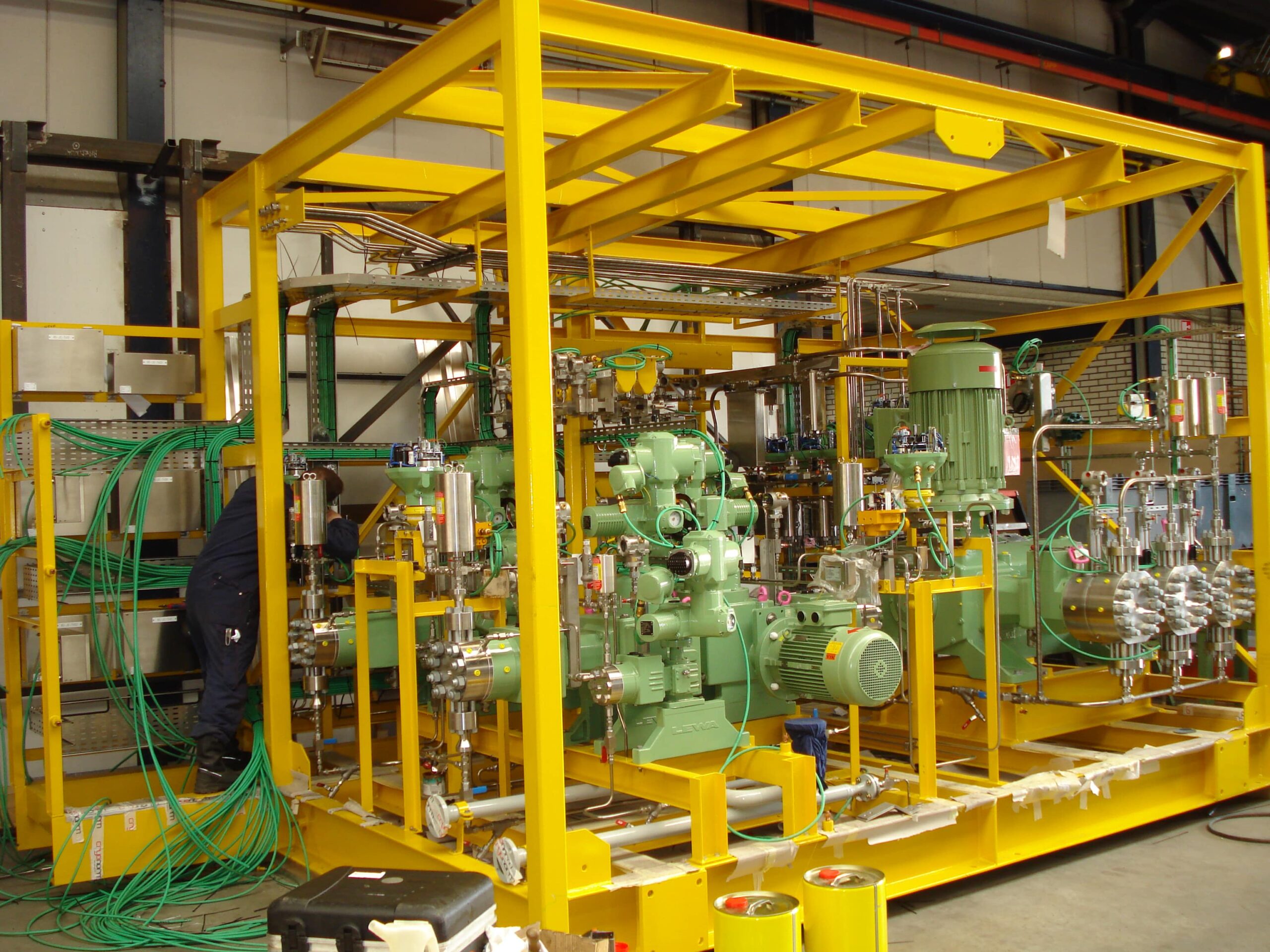
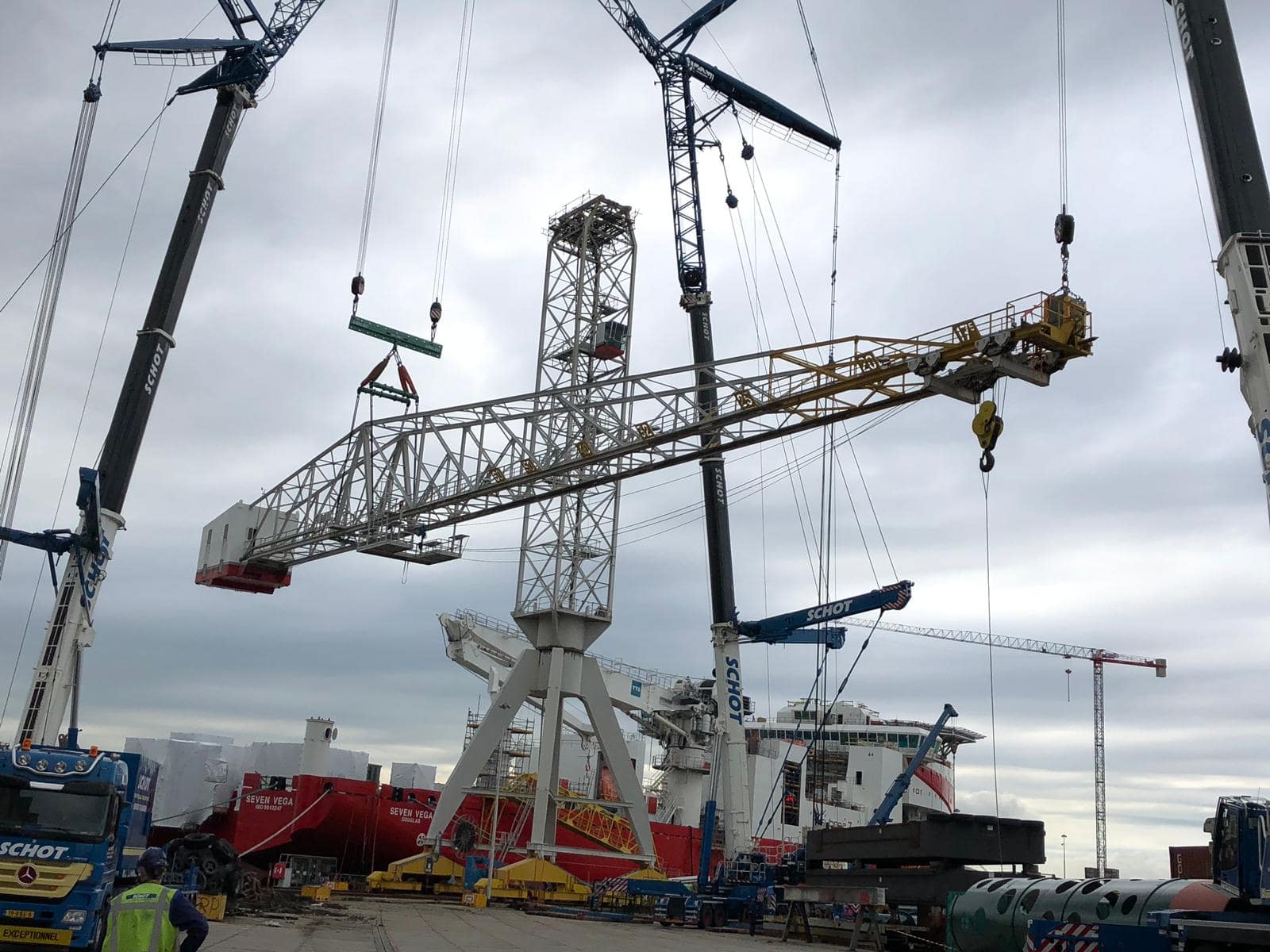
From Prototype to Production: Seamless Implementation After successful prototyping and testing, we move to the production phase. In this process, the optimized design is converted into actual products. We coordinate the entire production process, using advanced manufacturing techniques to ensure the highest quality standards. During this phase, we also ensure the implementation of the final product in the customer’s operational environment. This includes the installation, commissioning and fine tuning of on-site systems to ensure they function perfectly within the customer’s existing infrastructures and systems.

Tools for 3D modeling & development:

Each of these tools plays a critical role in providing top-quality 3D modeling services and supports our ability to provide innovative solutions to our clients.

AutoCAD

AutoCAD is our primary tool for creating accurate 2D and 3D drawings. This software allows us to create and manipulate complex geometries, which is essential for the design of mechanical components and systems.

Inventor

Inventor is used for 3D modeling and complex assemblies. This tool allows us to visualize and test mechanical designs in realistic conditions, thanks to powerful simulation capabilities.

SolidWorks

SolidWorks is used for 3D modeling and complex assemblies. This tool helps us visualize and test mechanical designs under realistic conditions through powerful simulation capabilities.

ANSYS

ANSYS is our preferred tool for performing advanced simulations essential for analyzing mechanical, thermal and fluid dynamic performance of engineering designs. ANSYS allows us to perform critical tests under controlled simulation conditions, which allows us to ensure the durability and functionality of our designs before they go into production. This not only ensures the safety and reliability of our projects, but also improves the efficiency and cost-effectiveness of the engineering process

SketchUp

SketchUp, a versatile 3D modeling software that helps us visualize and plan complex projects. This tool is indispensable for quick and efficient design of detailed structures and installations. SketchUp allows our engineers to create realistic and accurate models that are essential for reviewing designs before actual construction begins. This not only promotes better understanding and communication with our customers, but also allows us to identify and resolve potential problems early.

Visio

We use Microsoft Visio to effectively create P&IDs (Piping and Instrumentation Diagrams) and flow diagrams. This tool allows us to clearly visualize complex process information, which is crucial for accurate planning and communication within project teams. Find out how Visio makes our projects more efficient and transparent.

Innovation in Engineering - Practical solutions for complex projects

Articles 3D modeling & development

3D modeling is the process of creating a three-dimensional representation of an object or surface using specialized software. It is used in various industries such as mechanical engineering, architecture, and entertainment. This technology allows designers and engineers to create virtual models that accurately represent the exact dimensions, shapes and functions of a physical object. This allows complex designs to be visualized, tested and improved before production, saving time and costs.

3D modeling allows designers to create detailed and accurate prototypes, which helps identify and correct errors early in the process. This leads to faster product development and higher quality end products.

The choice of software depends on the specific requirements and goals of the project. AutoCAD is often used for engineering drawings and architectural designs, while SolidWorks is popular in mechanical engineering because of its extensive simulation and analysis functions.

Scroll to Top