
Basic engineering

From concept to specification: Your basis for innovation.

Essential steps in mechanical basic engineering

What is mechanical basic engineering?

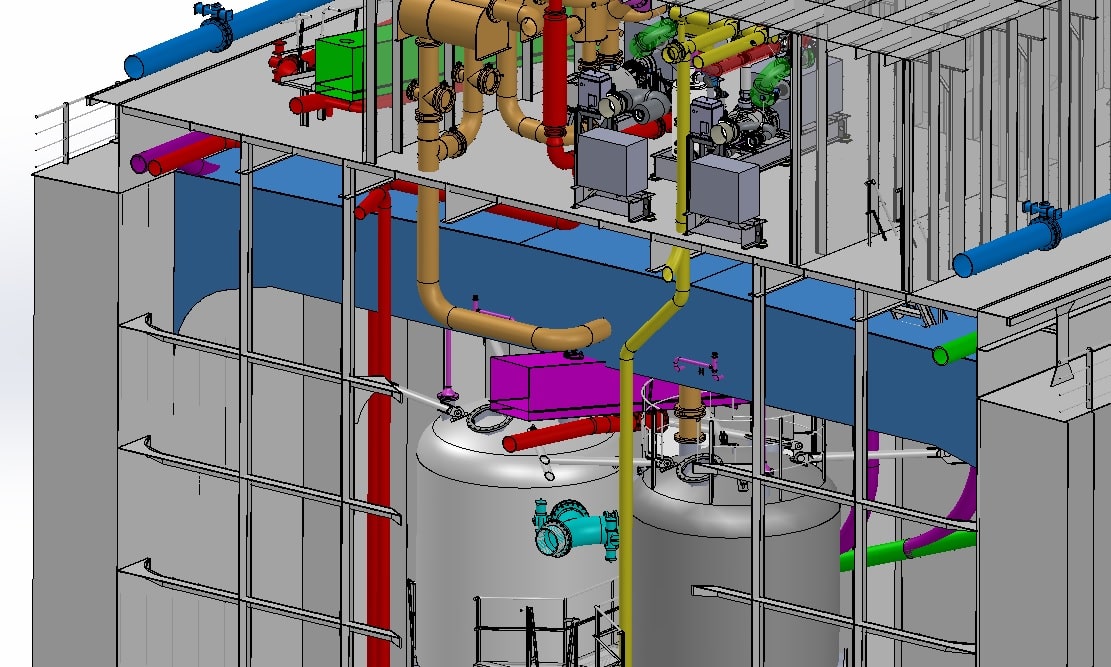
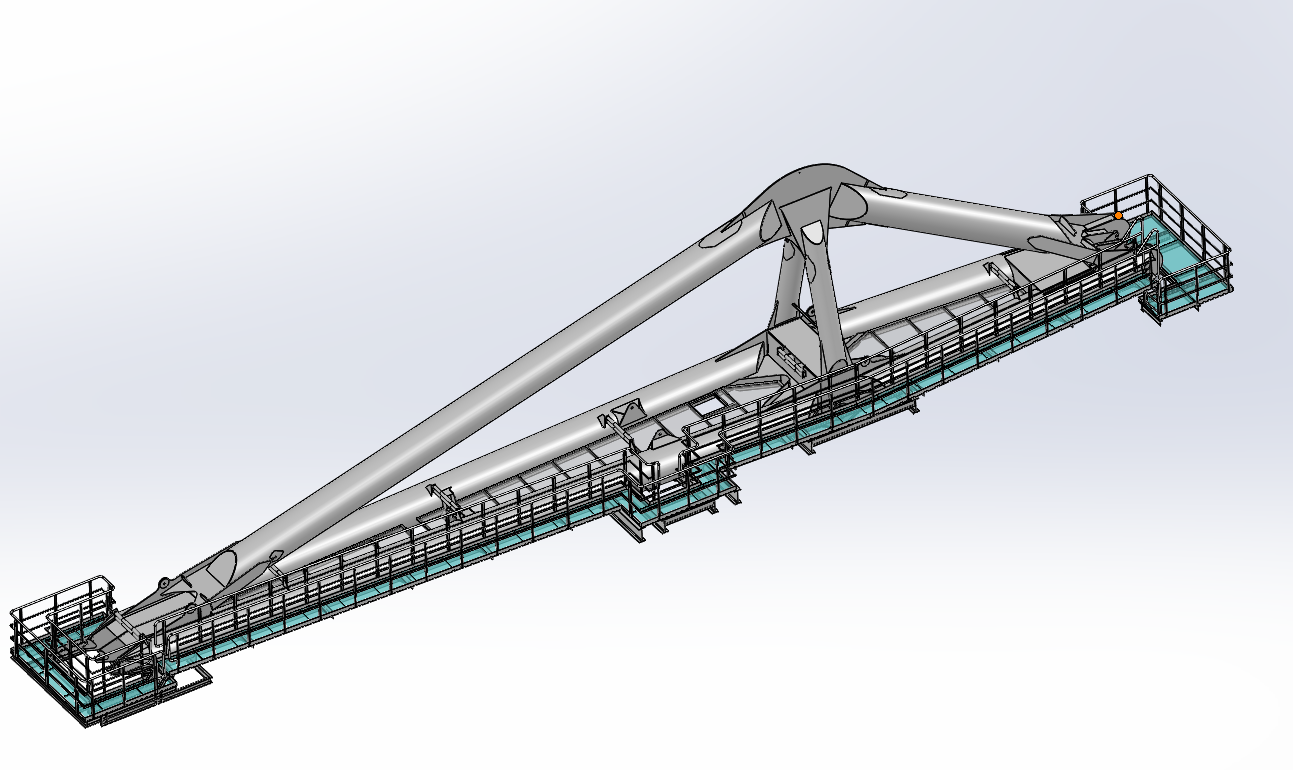
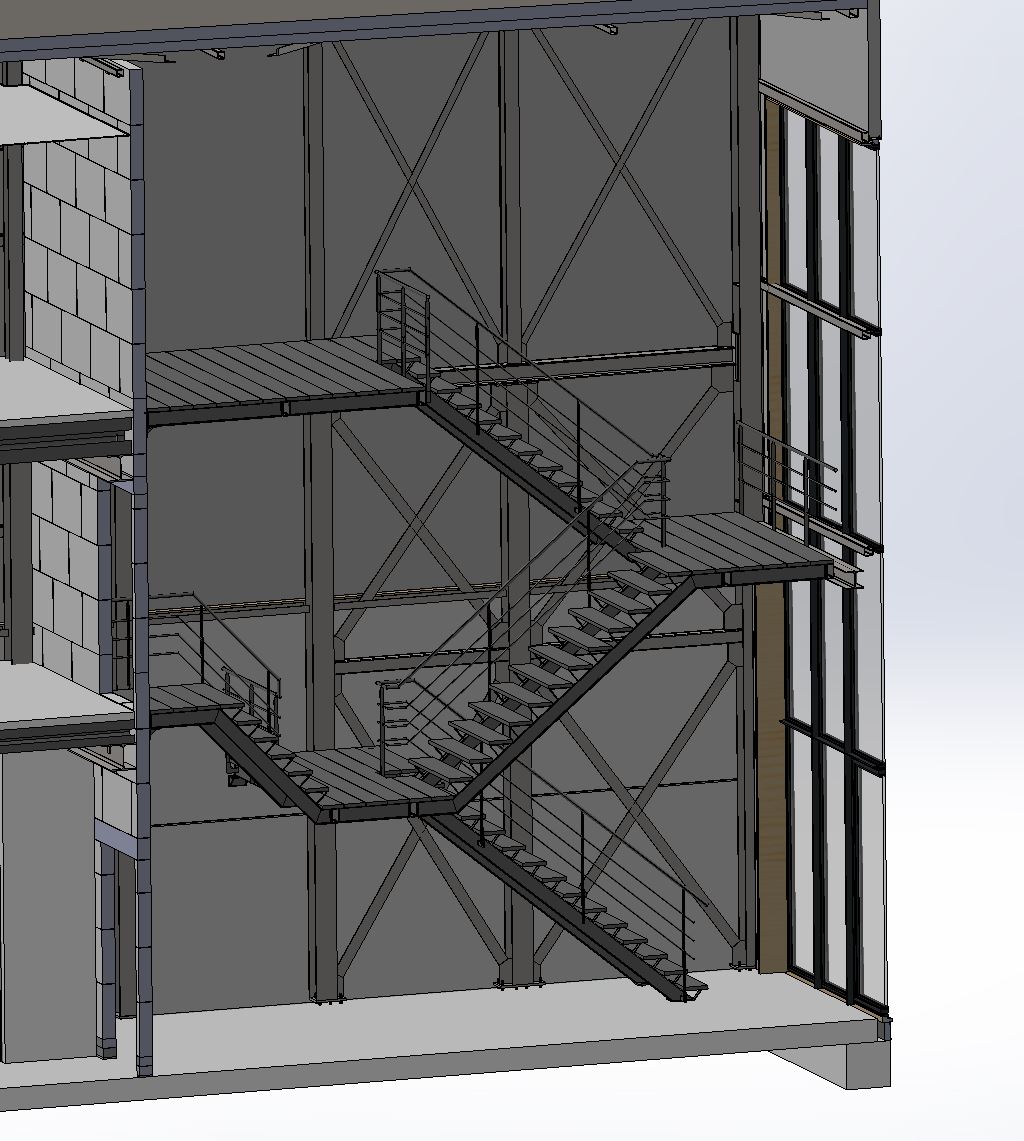
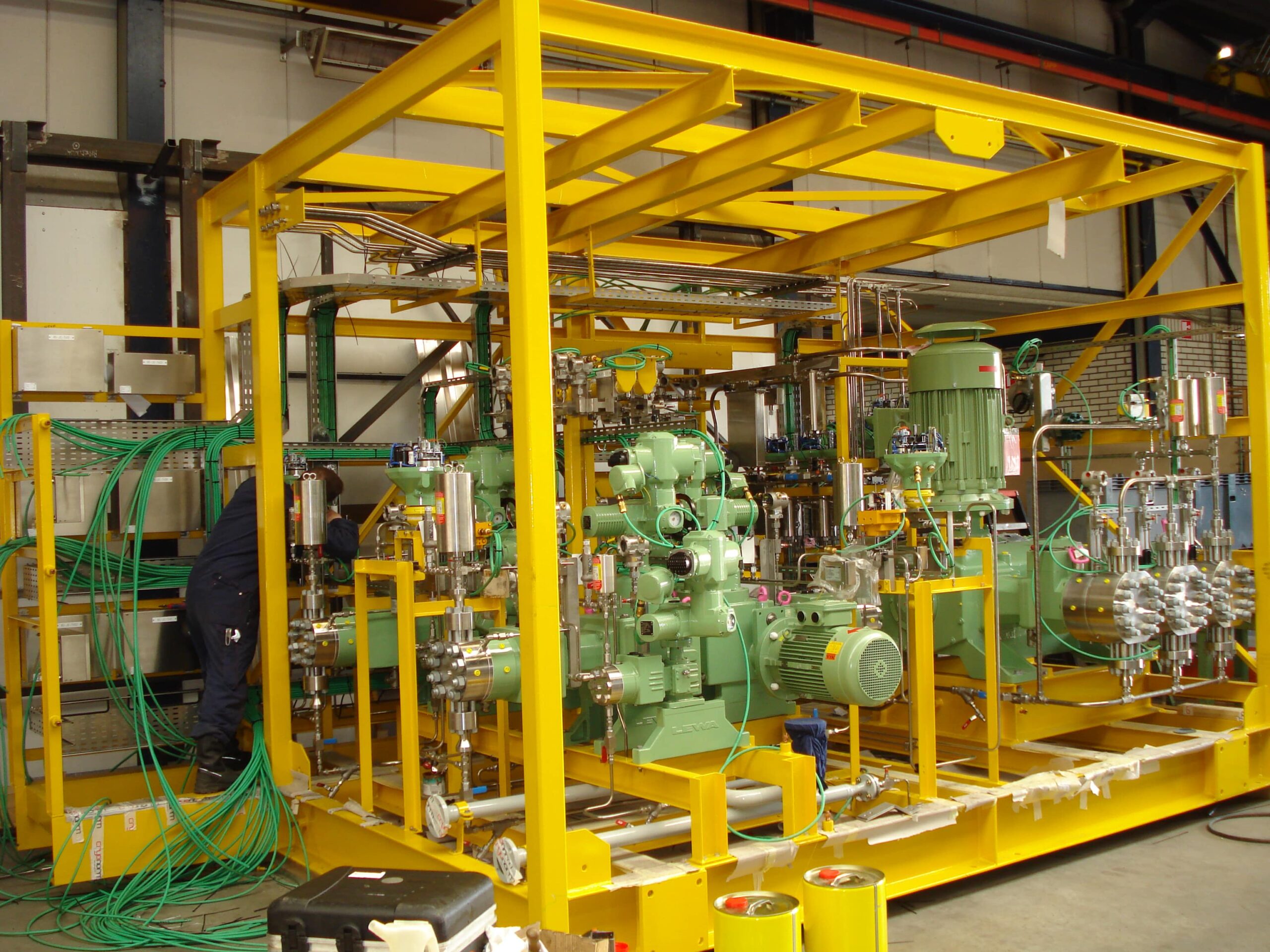
Basic engineering is an essential phase within mechanical engineering where conceptual designs are transformed into detailed technical drawings and specifications. This stage is crucial for it:

  • Elaborate concepts into complete technical documents that serve as calculation bases.
  • Preparation of precise specifications that set the direction for the next phases of the project.
  • Laying a solid foundation for all future engineering activities.

Why is basic engineering fundamental to mechanical engineering?

The value of basic engineering in mechanical engineering is substantial because it is at the heart of any successful project. Key aspects of this phase include:

  • Establish technical and operational requirements: Crucial for clearly defining project goals and expectations.
  • Risk minimization: Through thorough preparation and planning, potential risks are identified and addressed early, leading to reduced costs and improved project efficiency.
  • Communication and clarity: Ensures that all parties involved, from engineers to end customers, have a clear understanding of the project by applying relevant standards.
  • Compliance with standards and legislation: Ensures that the project complies with all relevant standards and legislation, which is essential for the long-term sustainability and safety of the final product.

Quickly go to

The process of Basic engineering:

Step 1: Analysis of Requirements

Thorough needs analysis for each project: Before we begin, we dive deep into your project requirements and goals. This initial phase is crucial to establish a solid foundation for the further design process. We gather all the necessary information to ensure that each subsequent step in the process seamlessly matches your specific needs and expectations.

Step 2: Concept development

Creative Concepts that Stimulate Innovation The transformation of your ideas starts here. During the concept development phase, our experienced engineers and designers transform rough ideas into initial visual sketches and concept models. This phase focuses on innovation and creative problem solving, allowing us to provide unique solutions that perfectly match your project requirements.

Step 3: Detail Engineering

Precision in Detail Engineering for Impeccable Execution After approval of the concept, we proceed to the detail engineering phase. Here all concepts are converted into detailed technical drawings and implementation plans. These documents are ready for implementation and contain all the technical specifications needed for construction or production, assured of accuracy and quality.

Step 4: Evaluation and Adjustment

Continuous Optimization for Perfect Results Our work doesn’t stop at the last drawing. We continuously evaluate all design aspects and make necessary adjustments. This phase ensures that the design continues to evolve in line with new insights, technological advances and feedback from implementation. This ensures an adaptive design that not only meets current standards but is also future-proof

Tools for Basic engineering:

Advanced Tools for Optimal Design and Execution At Novateq Engineering, we are committed to maintaining the highest standards of precision and efficiency in all of our engineering projects. We achieve this by using a range of advanced software tools and technologies specially selected for their reliability and innovative features. These tools are the backbone of our basic engineering services and enable us to consistently deliver high quality and innovative solutions to our customers. By investing in the best available technologies, we ensure that our engineering solutions remain at the forefront of the industry. The following is an overview of the main tools we use in our basic engineering processes:

AutoCAD

AutoCAD is our primary tool for creating accurate 2D and 3D drawings. This software allows us to create and manipulate complex geometries, which is essential for the design of mechanical components and systems.

Inventor

Inventor is used for 3D modeling and complex assemblies. This tool allows us to visualize and test mechanical designs in realistic conditions, thanks to powerful simulation capabilities.

SolidWorks

SolidWorks is used for 3D modeling and complex assemblies. This tool helps us visualize and test mechanical designs under realistic conditions through powerful simulation capabilities.

ANSYS

ANSYS is our preferred tool for performing advanced simulations essential for analyzing mechanical, thermal and fluid dynamic performance of engineering designs. ANSYS allows us to perform critical tests under controlled simulation conditions, which allows us to ensure the durability and functionality of our designs before they go into production. This not only ensures the safety and reliability of our projects, but also improves the efficiency and cost-effectiveness of the engineering process

SketchUp

SketchUp, a versatile 3D modeling software that helps us visualize and plan complex projects. This tool is indispensable for quick and efficient design of detailed structures and installations. SketchUp allows our engineers to create realistic and accurate models that are essential for reviewing designs before actual construction begins. This not only promotes better understanding and communication with our customers, but also allows us to identify and resolve potential problems early.

Visio

We use Microsoft Visio to effectively create P&IDs (Piping and Instrumentation Diagrams) and flow diagrams. This tool allows us to clearly visualize complex process information, which is crucial for accurate planning and communication within project teams. Find out how Visio makes our projects more efficient and transparent.

Innovation in Engineering - Practical solutions for complex projects

Articles Basic engineering

Scroll to Top